

We are broke. Let’s not sugarcoat it. The United States is staring down a $39 trillion mountain of debt, and the margin for error has officially vanished. Over the next twelve months, the federal government has to scrape together nearly $10 trillion. That is a staggering one-third of our entire national debt. Why? Because we need $7.5 trillion just to roll over old bonds coming due, plus another $2 trillion to plug the massive hole where our tax revenues fall short of spending. For years, the Federal Reserve hooked Washington on cheap money. During the pandemic era, short-term Treasury bills cost a laughable 0.2%. Today, that rate has ballooned eighteen times over to 3.7%. The hangover has arrived.
It gets worse. A grim analysis from the Committee for a Responsible Federal Budget shows the math of our impending doom. If interest rates hover near their recent peaks, interest payments will devour 30% of all federal revenue by 2036. That is more than double the current 14%. At $2.5 trillion annually, servicing this debt will become the second-largest line item in the federal budget, easily eclipsing Medicare by a third. Think about your own wallet. The interest burden per American household is set to skyrocket from $7,900 last year to a crushing $17,000 a decade from now.
The bean counters at the Congressional Budget Office are hoping for a miracle. Their baseline assumes 30-year and 10-year Treasury yields will average 4.65% and 4.15% through 2036. But reality keeps crashing the party. Just before Memorial Day, 30-year yields spiked to a 19-year high of 5.2%, while the 10-year benchmark hit 4.7%. A half-percentage point might seem like rounding error to the uninitiated. It isn’t. When you owe $39 trillion, a fraction of a percent translates to hundreds of billions of dollars. It is the difference between a tight squeeze and absolute fiscal ruin.
This is the sovereign equivalent of the 2007 subprime mortgage crisis. Washington fell hook, line, and sinker for teaser rates. We borrowed trillions on the cheap, assuming the party would never end. Now, those low-yield notes—currently averaging a cozy 3.23%—are maturing. We have to refinance them at today’s punishing market rates. It is a brutal reset.
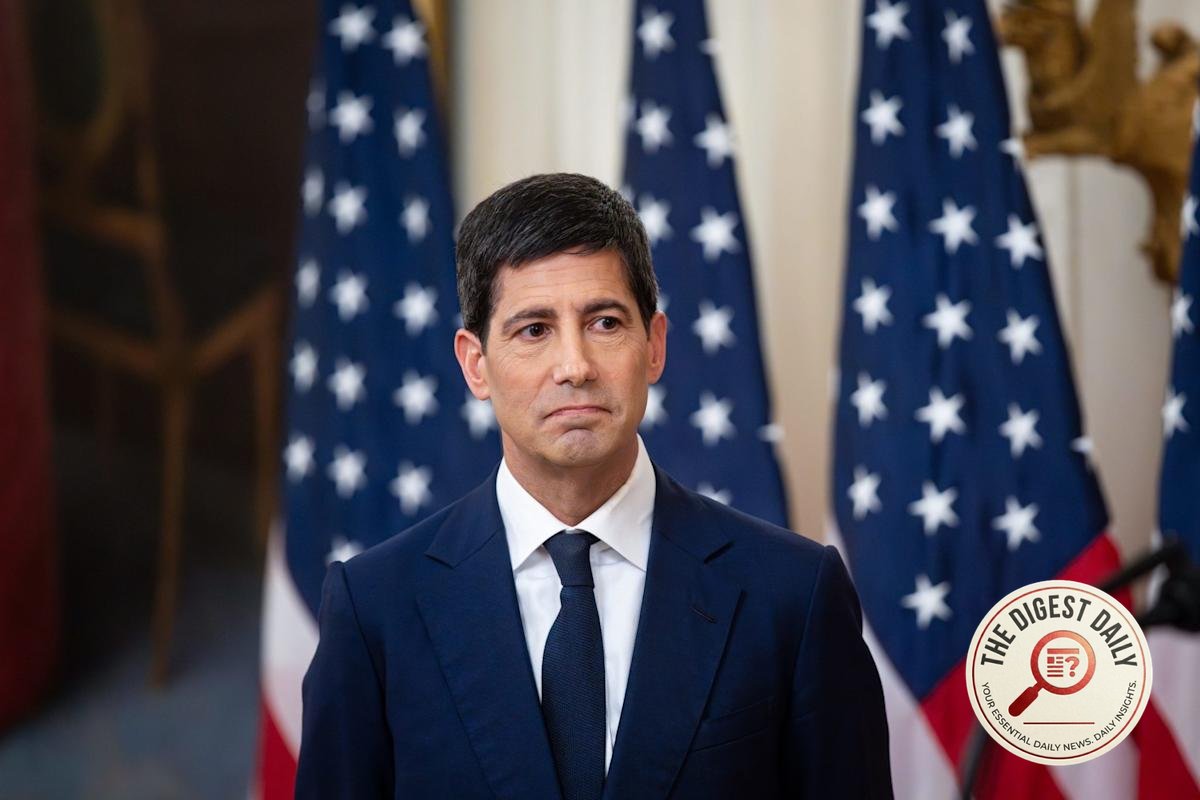
There is some noise about a temporary reprieve. Rumors of peace in the Middle East recently nudged yields down slightly, but they still hover dangerously above the CBO’s rosy projections. Enter the new Fed Chairman, Kevin Warsh. He wants to shrink the central bank’s bloated balance sheet by dumping Treasuries back onto the public. It is a smart play to mop up excess liquidity and cool down aggregate demand. Warsh can raise rates to choke off consumer spending and slow down the insane capital flowing into AI data centers. But he cannot fix the real disease. The Fed cannot control Congress’s credit card.
The cure is simple, painful, and politically impossible: cut the deficit. The CRFB warns that ignoring this will spark a full-blown fiscal crisis. Yet, neither political party wants to look the voters in the eye and admit the truth. We are living on borrowed time and borrowed money. It will likely take a catastrophic spike in interest rates to force these politicians to face the wreckage they created.