
It still hurts. Bubba Wallace admitted as much, and honestly, why wouldn’t it? The garage area is a traveling circus, but when one of the main acts vanishes into thin air, the tent feels empty. You think about the unsaid things. The missed calls. The sudden, jarring silence of a friend gone too soon. Wallace recalled some old wisdom from the King himself, Richard Petty, who once told him that the cockpit is the only place where the noise of the world fades away. It is an escape hatch. For a few hours on a Sunday, you get to forget.
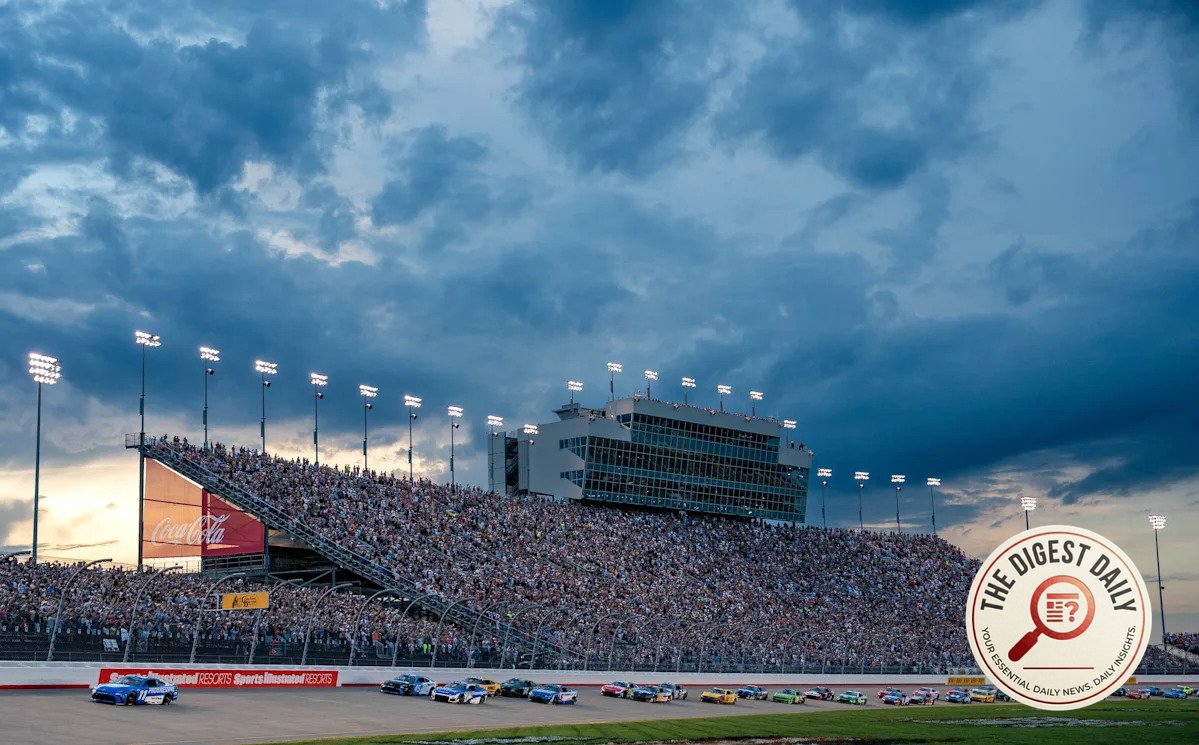
They needed that escape on May 31 at Nashville Superspeedway. The Cracker Barrel 400 went green under heavy skies, ending with polesitter Denny Hamlin taking the checkered flag. It was a win, sure, but the atmosphere felt more like a collective exhale than a celebration. NASCAR was back in Middle Tennessee, but the ghost of Kyle Busch hung heavy over the concrete.
He was 41. Sepsis from pneumonia. In a sport where men flirt with concrete walls at two hundred miles per hour, dying in a hospital bed from an infection feels like a cruel joke. It defies the logic of the track. Kyle Larson summed it up best, noting that the real dangers aren’t always waiting in Turn 4. Life is fragile. Then you die.
The engines kept roaring. They ran Charlotte’s Coca-Cola 600 just three days after Busch passed. Some wondered if they should have parked the haulers. Wallace laughed at the idea, noting that Busch would have called them every soft name in the book if they had stayed home. So they raced. Chase Elliott admitted the grid feels wrong without him. It probably always will.
You can’t escape his shadow here. Nashville Superspeedway is practically built on Busch’s arrogance and brilliance. This is the track where he smashed a custom Gibson Les Paul guitar in 2009, infuriating purists and cementing his villain status. Twelve years later, he teased doing it again after his 100th Xfinity win. He loved this place. The feeling was mutual, even if the fans spent years booing him.
The tributes were everywhere. Merch trailers sold out of “Rowdy” gear. Ricky Stenhouse Jr. ran a tribute paint scheme on his No. 47 ride. When lap eight came around, the public address system went dead silent—a quiet nod to the No. 8. The day before, support series winners Layne Riggs and Justin Allgaier both took the checkered flag and bowed to the grandstands. It was Busch’s signature, arrogant, beautiful salute. Even country singer Gavin Adcock showed up in a black “Rowdy” tank top to drive the pace car. The circus goes on, but the ringmaster is gone.