

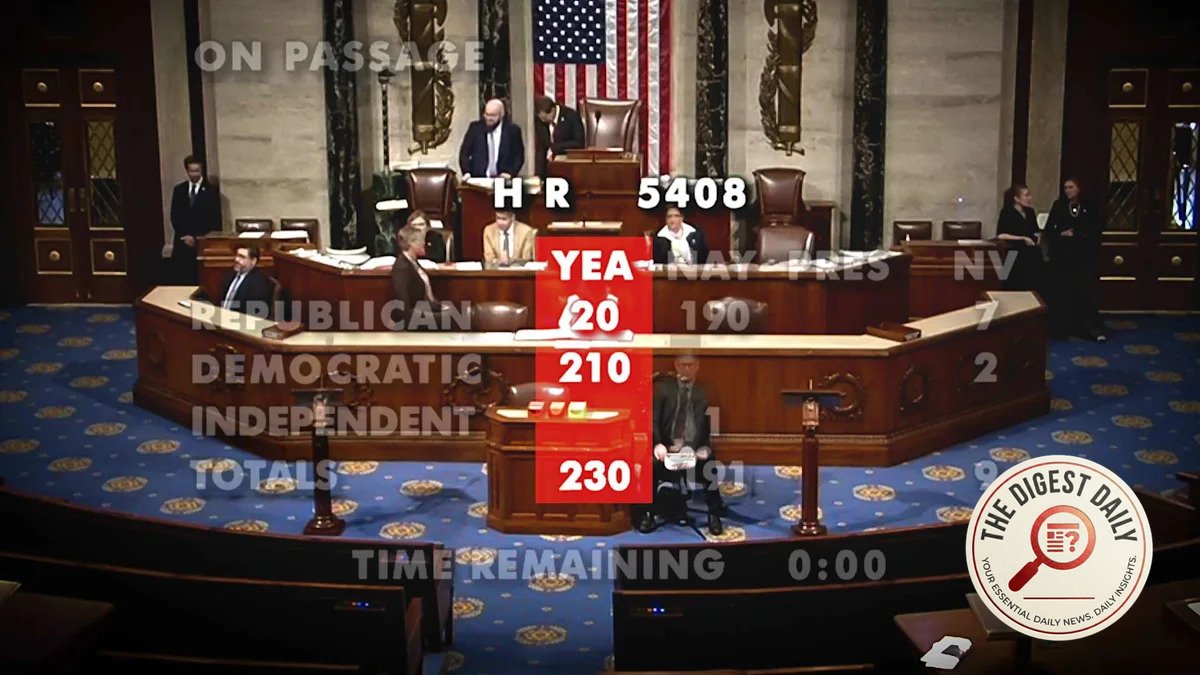
The House just passed a bill to “help” workers. Don’t hold your breath.
On Tuesday night, representatives rammed through the Faster Labor Contracts Act (FLCA) in a 230–193 vote. Surprisingly, twenty Republicans jumped ship to join the Democrats. The bill, which supposedly fast-tracks contract negotiations after a workplace unionizes, is now heading to the Senate. Capitol Hill’s self-proclaimed populists are ecstatic. Senator Josh Hawley (R-Mo.), championing the Senate’s version, cheered the House for doing the “right thing” for the working class. Representative Pete Stauber (R-Minn.) bragged about holding employers accountable. Even Oren Cass of American Compass hailed it as a golden opportunity for conservatives to prove they love labor. It is a beautiful bipartisan parade. Too bad it is marching off a cliff.
Here is how the trap works. Once a union is certified, the clock starts ticking. The parties get exactly 10 days to sit down. They have 90 days to talk, followed by 30 days of mediation. If they fail? The Federal Mediation and Conciliation Service steps in. A three-member arbitration panel is formed. If two of those bureaucrats agree, they can forcibly impose a two-year contract on everyone. No vote. No consensus. Just a government mandate.
Once that rubber stamp hits the paper, the union owns the shop. It does not matter if you voted against the union. It does not matter if you hate their platform. You are locked in. The FLCA strips away your individual voice, handing your wages, hours, and benefits to union bosses and federal appointees. You do not get to negotiate. You do not even get to vote on the deal.
Some politicians see the writing on the wall. Representative Tim Walberg (R-Mich.) called out the hypocrisy on the House floor. He pointed out that stripping workers of their right to vote on their own contracts is a strange way to “empower” them. He is right. Giving ultimate authority to a Washington bureaucrat who has no skin in the game is not liberation. It is subjugation.
Negotiations take time. That is not a bug; it is a feature. Bloomberg Law notes it takes an average of 465 days to secure a first contract. Sure, some of that is corporate foot-dragging. But much of it is just the messy, necessary business of finding common ground. The FLCA treats any delay as a federal emergency. By forcing a rigid 120-day deadline, it turns genuine bargaining into a mere formality before the government steps in to dictate terms.
The Senate might kill it. Or they might not. Senator Bill Cassidy (R-La.) previously slammed the bill, warning that it guts workplace democracy by removing the ratification process. If workers cannot reject a contract, they have no power.
Speed is not justice. The FLCA does not empower workers; it replaces actual negotiation with federal coercion. If conservatives think this is “pro-worker,” they have lost their minds.