
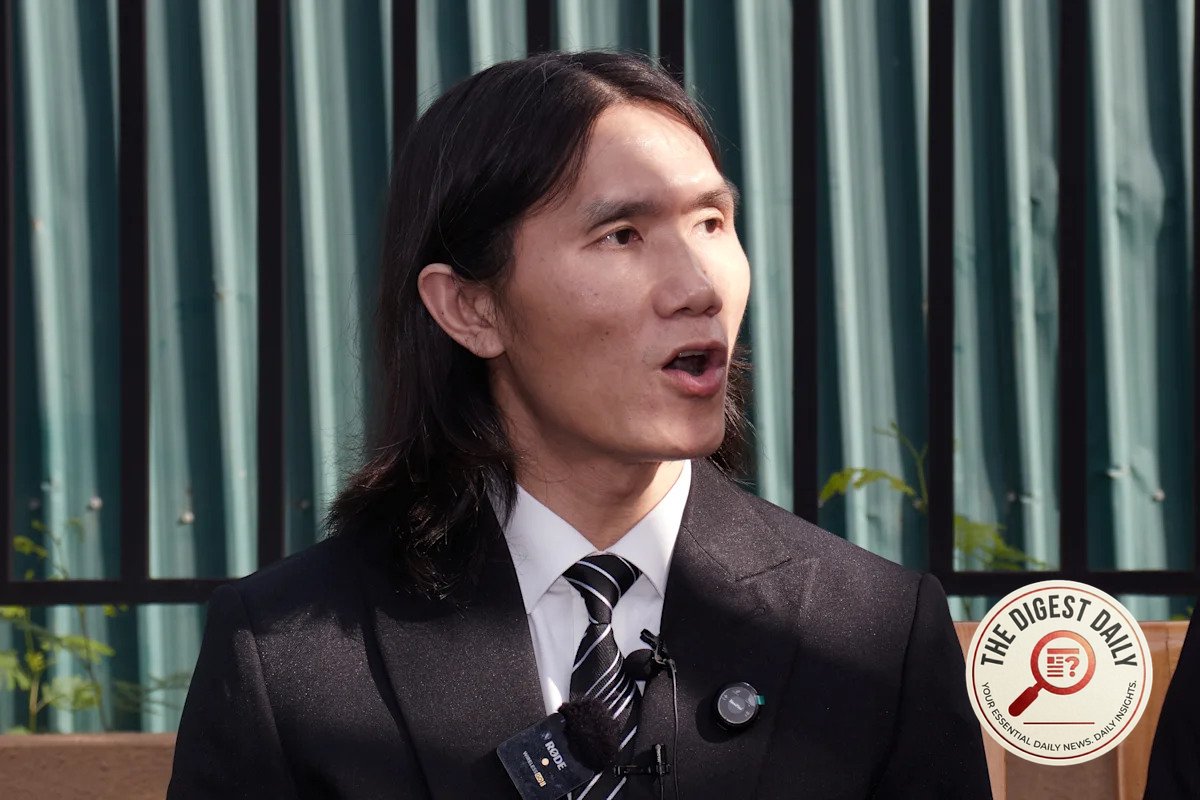
It was a bureaucratic nightmare wrapped in a geopolitical cash grab. Tuan Phan, a 44-year-old Vietnamese national, is finally going home. Not from America, where he spent most of his life, but from South Sudan. He spent over a year locked up there. Why? Because the Trump administration decided to outsource its deportation problem to East Africa.
South Sudan’s Ministry of Foreign Affairs announced the repatriation on Friday. They spun it beautifully. Spokesperson Agok Anyar claimed Phan was “disciplined, joyful, and healthy” during his stay. Sure. Try telling that to someone kept under armed guard in a foreign land they have zero connection to.
Phan’s bizarre journey began in May 2025. He and seven other men were loaded onto a plane. Destination: Juba. A federal judge temporarily halted the flight midair, forcing a detour to a U.S. military base in Djibouti. But the reprieve was short-lived. The Supreme Court stepped in, cleared the runway, and by July, the men landed in South Sudan.
They were criminals. Nobody denies that. All eight had served their time in U.S. prisons. But instead of being freed, ICE snatched them up.
Uncle Sam has a new strategy. Pay poor countries to take America’s unwanted. At least seven African nations have signed up for this lucrative trade, pocketing millions of U.S. tax dollars in exchange for accepting non-citizens. Over 180 people have been shipped off under this scheme, according to Third Country Deportation Watch.
South Sudan was a particularly grim choice. The country is a mess. It is plagued by rampant corruption, political chaos, and a horrific human rights record. In 2025 alone, violence displaced half a million people. Yet, the U.S. deemed it a suitable dumping ground.
Phan is the second of the group to escape this limbo. Jesus Munõz-Gutierrez was sent to Mexico in September. Dian Peter Domach, the sole South Sudanese national in the bunch, was freed immediately. The rest—hailing from Cuba, Myanmar, and Laos—remain stuck.
Phan’s American dream died young. He arrived in the U.S. in 1991 as a kid. By 2000, at just eighteen, he was sentenced to 25 years for a fatal gang shooting. The deportation order came down in 2009. When his prison sentence ended in March 2025, ICE was waiting at the gates.
In Juba, the men were kept in a gated house. Armed guards watched their every move. No one got in. A U.S. Senate report revealed that a lone congressional aide was the only outsider to ever visit them.
Human rights groups are furious. Michael Bochenek of Human Rights Watch pointed out the obvious: zero independent oversight means zero accountability. It is a black hole.
What did South Sudan get out of this? The details are greasy. State Department documents show Juba wanted sanctions relief for a former official and help prosecuting a political rival. Whether they got their bribes remains a secret. The cash flowed, the human cargo was delivered, and the bureaucrats moved on.