

The tech-heavy Nasdaq is bleeding out, staring down its worst weekly drubbing in over a year, while the S&P 500 slides for a fifth straight day. Even Elon Musk’s SpaceX, fresh off a historic IPO high, is watching its stock tumble and its newly minted bonds sink like stones. It wasn’t supposed to go down like this.
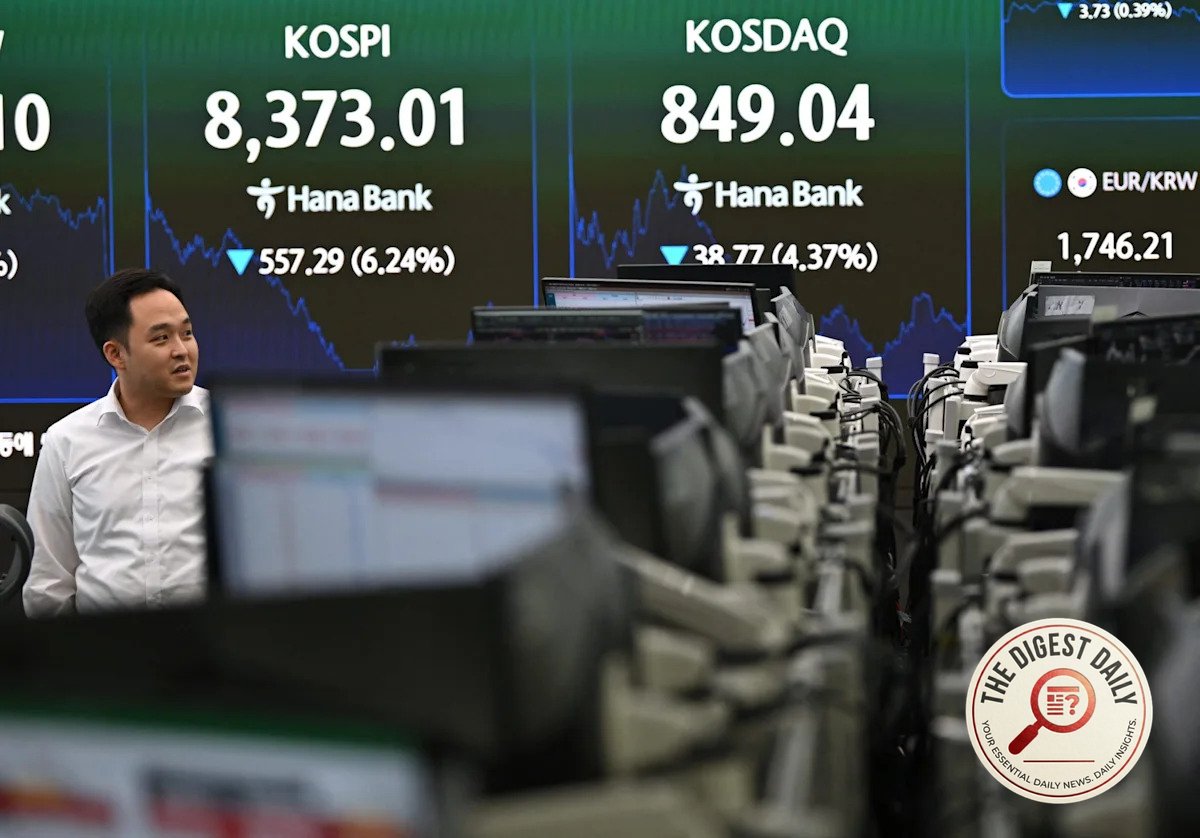
With Washington and Tehran finally cooling their heels, the runway seemed clear for the artificial intelligence hype train to chug even higher on cheap oil and falling yields. South Korea’s Kospi index, packed to the gills with AI darlings like Samsung and SK Hynix, even notched a record high last week. Then, the floor fell out. A brutal 10% crash wiped out gains, triggered by SK Hynix admitting it might tap the brakes on its AI memory production. Global markets panicked.
This isn’t normal market jitters. Analysts at Capital Economics warn that this level of whiplash usually only rears its ugly head during historic disasters like the dot-com bust or the 2008 financial meltdown. “This volatility is, in our view, evidence of excessive froth,” noted James Reilly, senior markets economist. It turns out the entire global economy is currently resting on the shoulders of a few microchip makers. If they stumble, everyone falls.
Micron tried to save the day on Wednesday with stellar earnings, but the relief lasted about five minutes. Apple hiked prices because of chip shortages, rumors swirled that OpenAI is pushing its IPO back to 2027, and the Federal Reserve is whispering about rate hikes again. The party is ending. Capital Economics thinks the equity bubble is on the verge of popping.
Unlike the profitless dot-com era, today’s tech giants actually make money, but investor expectations have drifted into fantasy land. Still, expect one last wild ride. A final “blow-off phase” will likely push the S&P 500 up another 12% to peak at 8,250 by the end of 2026. Enjoy the view while it lasts. By 2027, the firm expects a brutal 21% collapse back down to 6,500. The hangover will be legendary.