

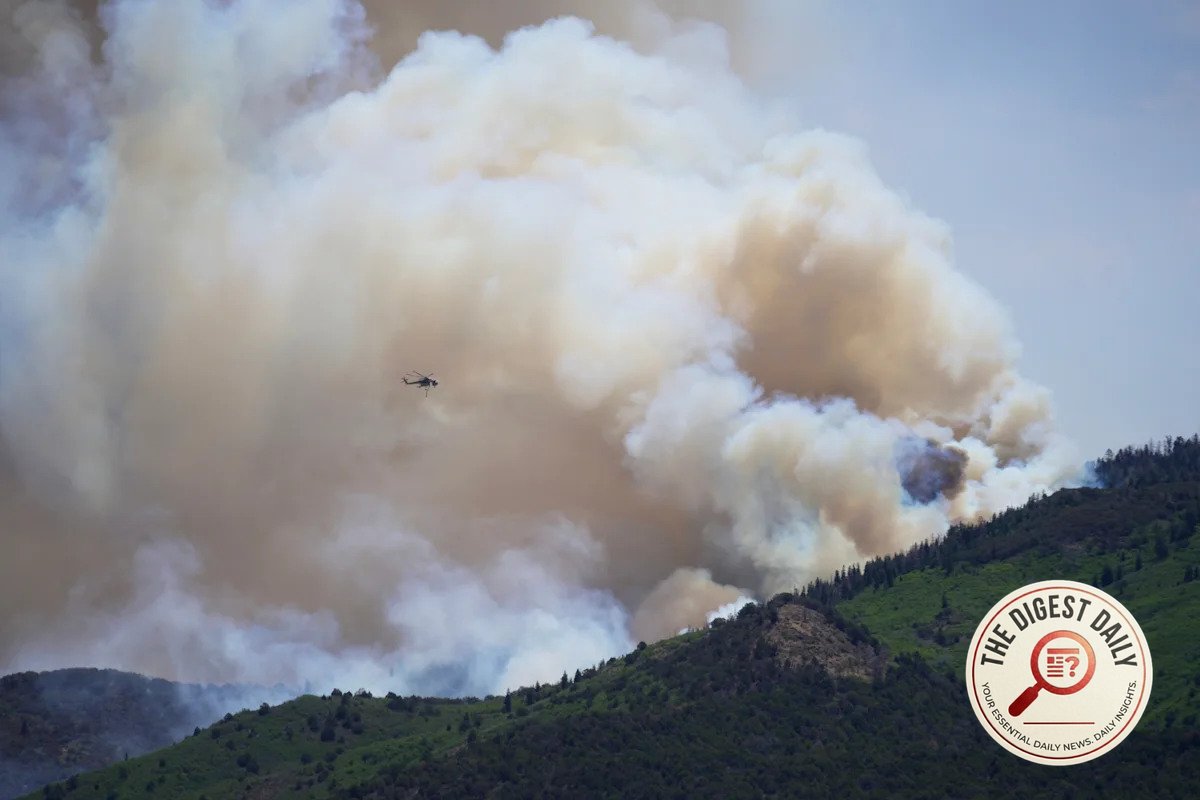
Three body bags in Colorado. That is the opening act for the Trump administration’s brand-new federal fire agency.
One of the dead belonged to the U.S. Wildland Fire Service, a bureaucratic beast slapped together this year without congressional approval. The crew was elite, dropped by helicopter near the Utah border to fight a fast-moving monster on the ground. They got trapped. Five of them deployed emergency shelters—flimsy foil tents against a wall of screaming heat. Three died anyway. Two survived, badly burned.
Why were they even up there? Timothy Ingalsbee, a former federal firefighter, wants to know. Was it to save a bunch of worthless mountain shrubs? Nobody has an answer. The administration is tight-lipped.
Instead, they are pushing ‘full suppression.’ It is a simple, stupid rule: put out every fire immediately. Interior Secretary Doug Burgum ordered the new agency to stomp out every single blaze under its purview. It sounds great to politicians. It is a disaster for everyone else.
For decades, land managers learned a hard lesson. Forests need to burn. Fire clears out the dead brush. If you put out every small fire, the fuel just piles up. Then, when a fire finally escapes, it becomes an unstoppable, apocalyptic inferno. This new policy is just a repackaged version of the 1935 ’10 a.m. rule,’ which mandated every fire be dead by morning. It failed then. It will fail now. You cannot beat the fire paradox. The more you suppress, the worse the next one burns.
But some people are getting rich. Private aviation companies love full suppression. More fires mean more flight hours. More taxpayer cash.
Take Bridger Aerospace, a Montana firm founded by newly elected U.S. Senator Tim Sheehy. Before he won his seat, Sheehy lobbied to create a state-level fire service just like this federal one. Once in office, he sponsored a bill to codify the federal merger. He put his assets in a blind trust, of course. But his company’s fleet of ‘Super Scoopers’ is perfectly positioned to cash in on this aggressive new strategy.
Meanwhile, the ground level is a mess. The new agency merged firefighters from four different bureaus. Nobody knows who is in charge. ‘There’s a level of confusion,’ says Michael Dudley, a retired Forest Service director.
The old system wasn’t broken. The original agencies successfully extinguished 98% of the fires they tackled. Now, forest management has been severed from firefighting. It is a recipe for more body bags. The West is dry, the snow is gone, and the politicians are playing with matches.