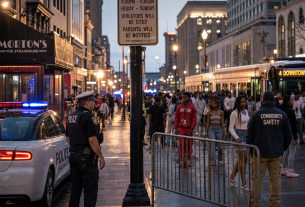

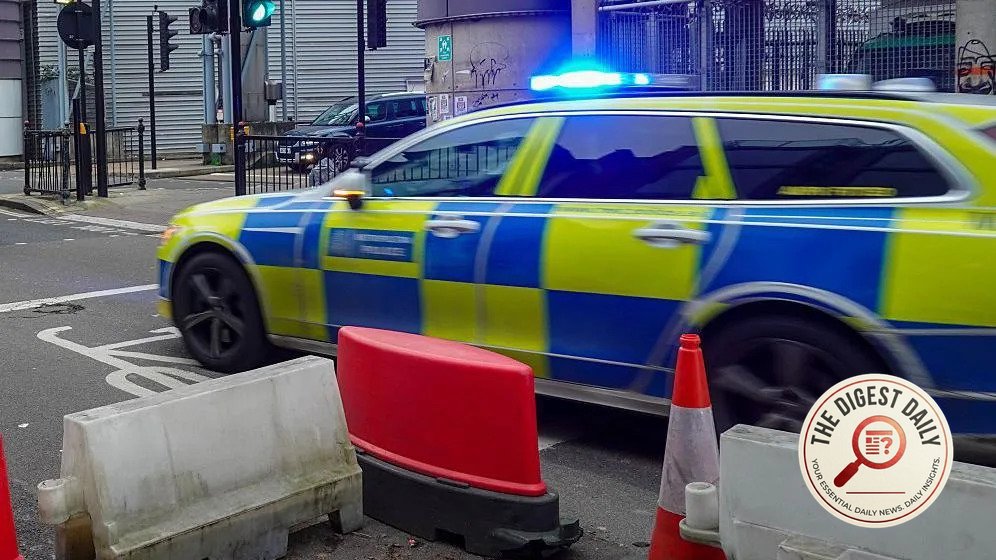
They hit the streets hard. Over five days, British cops swept through the underbelly of the high street, locking up 362 people in a massive blitz targeting organized immigration rings and illicit trade. Among those cuffed were 57 migrants who had recently survived the perilous English Channel crossing on flimsy boats.
According to the National Police Chiefs’ Council, the dragnet ran from June 15 to June 20. It was highly lucrative for the state. Officers pocketed more than £1 million in cold, hard cash. They also hauled in a mountain of contraband, seizing over £700,000 worth of bootleg tobacco, dodgy vapes, and black-market cigarettes, alongside a fleet of cars, drugs, and e-bikes.
This wasn’t a random raid. Police targeted the usual suspects: nail salons, car washes, barbers, vape shops, and food factories. These cash-heavy, low-regulation businesses are prime real estate for gangs. They are perfect fronts. Criminal syndicates use them to hide undocumented workers, exploit desperate migrants, and wash dirty money.
Nearly every police force in the country joined the party, flanked by the Home Office, Immigration Enforcement, and Trading Standards. Border Security Minister Alex Norris praised the effort, calling it a prime example of what happens when different agencies actually talk to each other and collaborate.
The timing is no coincidence. This crackdown follows the launch of a new £30 million High Street organized crime unit, established in May after journalists exposed how illegal mini-marts and barber shops operate as fronts for organized crime.
Meanwhile, the political headache of the Channel crossings persists. By late June, small boat arrivals for the year stood at 11,638. That is a 37% drop compared to the same timeframe in 2025, but the pressure remains immense.
Deputy Chief Constable Wendy Gunney, who heads the domestic taskforce on organized immigration crime, warned that the raids were a shot across the bow for gang bosses. She made it clear that law enforcement is pooling its resources to dismantle these networks. Business owners who turn a blind eye or actively employ undocumented workers are also in the crosshairs, with heavy civil penalties now on the table.