

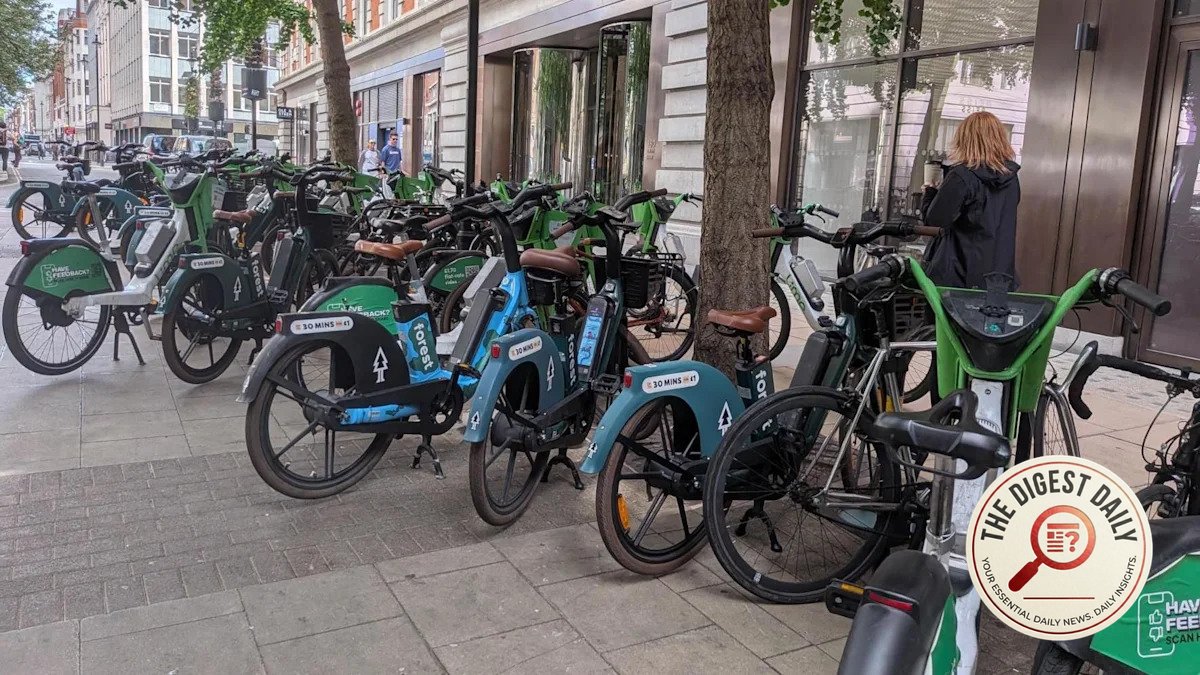
They are everywhere. Littering the pavements, blocking the bus lanes, and turning a simple walk into an obstacle course. Now, Westminster City Council is finally losing its patience. The local authority announced it will start physically seizing dockless e-bikes left blocking the public highway. No more gentle warnings. If a Lime, Forest, Voi, or Bolt bike is blocking a dropped curb, a cycle lane, or a wheelchair ramp, it gets tossed into the back of a council truck.
This is a massive escalation. Since late 2025, the council has slapped operators with over 2,500 penalty notices. It did not work. The fines were treated as the cost of doing business, and the bikes kept piling up. Now, the council is holding the hardware hostage. Operators will have to pay a release fee to get their property back from a secure storage facility.
For the visually impaired, this is not about aesthetics. It is about survival. The Royal National Institute of Blind People (RNIB) has long warned that these scattered two-wheelers are a genuine physical hazard. According to RNIB policy head Mike Wordingham, who is visually impaired himself, a staggering 81 percent of surveyed people with sight loss said abandoned e-bikes and scooters make navigating the city a nightmare. He wants to see permanent, road-based docking stations replace the current free-for-all.
The tech companies, predictably, claim they are already doing their best. Bolt representative Daniel Howell pointed to their mandatory parking bays and an AI system that scans user-submitted photos to verify proper parking. He claims a 98 percent success rate. Voi and Lime also use photo verification and threaten repeat offenders with fines or lifetime bans. Yet, the sidewalks tell a different story. Operators argue the real issue is a lack of designated parking bays, urging the council to build more infrastructure rather than just seizing the fleet.