
The bravado is for the cameras. Behind the scenes, Iran’s economy is bleeding out.
Iran’s president and his central bank chief reportedly went to Supreme Leader Ayatollah Mojtaba Khamenei with a grim reality check: the U.S. naval blockade was working, and the country was on the verge of collapse. The revelation comes just as Donald Trump contemplates putting the squeeze back on.
Tehran was paralyzed. As the regime debated whether to sign a memorandum of understanding to reopen the Strait of Hormuz and keep a fragile ceasefire alive, a civil war of words broke out. Pragmatists wanted the deal. Hardliners wanted to keep swinging. Khamenei, as usual, sat on the fence.
President Masoud Pezeshkian, leading the pragmatist camp, cornered the Supreme Leader. He laid it bare. The economic situation was catastrophic. The blockade was a chokehold. Pezeshkian even threatened to pack his bags and resign if the deal fell through, according to insiders.
He wasn’t the only one sounding the alarm. The head of Iran’s central bank fired off a letter to Khamenei warning of a looming budget black hole. Alternative trade routes weren’t moving enough crude. Without relief, Iran would run out of food and medicine by late August.
It worked. The panic from his top officials forced Khamenei’s hand. He signed off on the MOU, grumbling that he opposed it “on principle.”
Now, the chess board is resetting. The U.S. and Iran are trading blows again near the Strait of Hormuz. Tehran wants to block an alternative shipping lane that hugs Oman’s coast, a route that bypasses Iranian control. Trump declared the ceasefire dead, but the talking continues. Meanwhile, shipping traffic has cratered, giving Iran temporary leverage over the world’s most critical energy chokepoint.
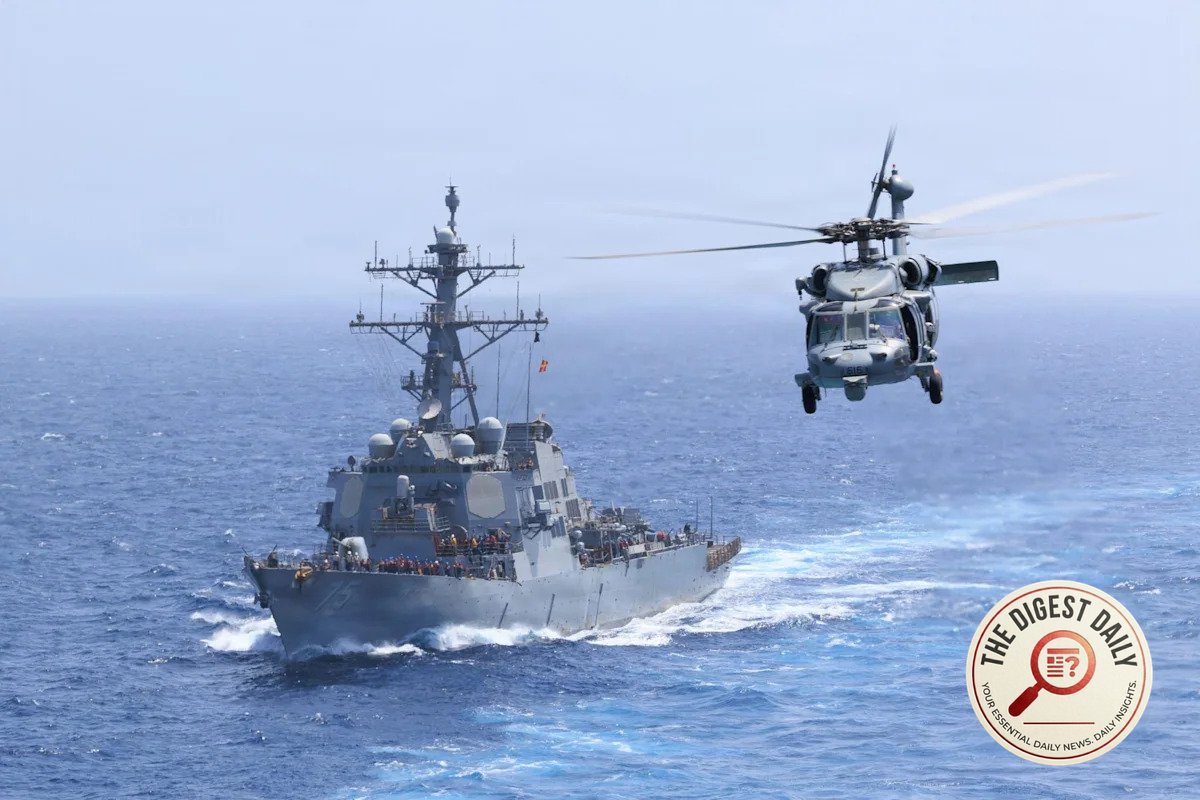
Trump has already brought back sanctions on Iranian oil. He is openly eyeing a return to the naval blockade. The last one, which ran from mid-April to mid-June, turned away 139 ships and crippled nine others. It choked off Tehran’s primary source of cash, hitting an economy that was already in the gutter.
What happens next? The U.S. could try to force the strait open with warships. Or, it could choose the slow burn: grind Iran down with another blockade.
Both sides are desperate. Trump has the midterms to worry about; Iran has a starving population. They need a deal, but they will break some glass to get the best terms.
If a second blockade happens, expect the gloves to come off. During the first round, empty tankers were allowed into the Persian Gulf, letting Iran store unsold oil. This time, critics say the U.S. should block empty tankers entirely and target Iran’s storage facilities and export terminals. That would turn a chokehold into a stranglehold.