

Spies are looking for Russian fingerprints. Specifically, inside the charred ruins of CIA outposts in the Gulf. Four sources familiar with U.S. intelligence say analysts are scrambling to figure out if Moscow handed Iran the keys—either through pinpoint targeting data or upgraded drone tech—to pull off a series of highly precise strikes.
No smoking gun yet. The intelligence community is still debating. But the sheer accuracy of the hits has raised serious eyebrows in Washington, especially given Russia’s growing habit of playing tech support for Tehran’s regional troublemaking.
It is no secret that Moscow helps Iran. They do it constantly. But helping them target the CIA directly? That is a different beast. It suggests Vladimir Putin is willing to push the envelope much further to disrupt American operations while Washington tries, and fails, to put out the Middle Eastern fire.
The strikes happened in March. At least two black sites got hit. One was the CIA station tucked inside the U.S. Embassy in Riyadh. Another was out in eastern Iraq. Other secret spots might have been hit too, though sources are keeping those locations close to their chests.
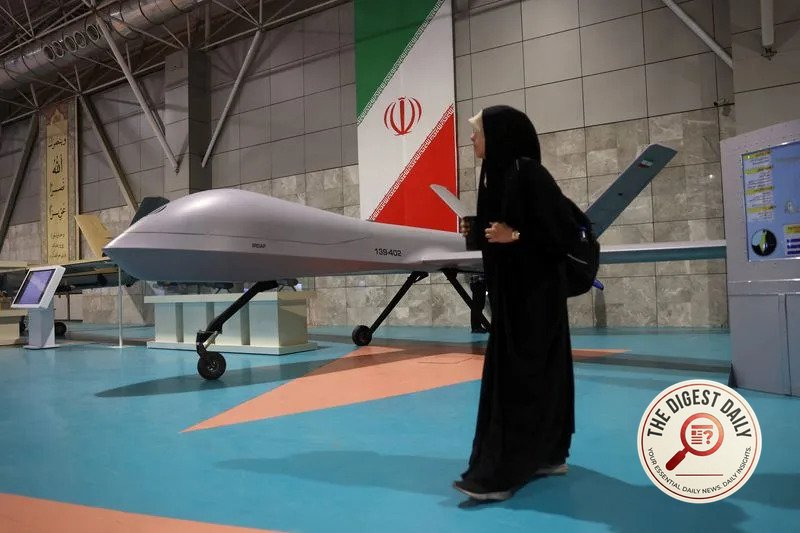
An internal Western intelligence memo suggests Russia likely helped paint the targets. In Riyadh, the attack was surgical. Two Russian-upgraded Shahed drones did the deed. The first blew a hole in the embassy’s outer wall. The second flew right through the gap and exploded. Nobody died. It was a miracle, or maybe just a warning.
How did they get so accurate? Russia apparently gifted Tehran the Kometa-M, a high-end satellite navigation system. It is highly jam-resistant. Far better than anything Iran can build on its own. The Kremlin, predictably, called reports of this transfer “fake news.”
Some analysts remain skeptical. Maybe Iran just got lucky. They could have aimed for the embassy compound and accidentally hit the CIA station. But others argue that very few nations have the capability—or the sheer audacity—to harvest and weaponize that kind of high-level intelligence against the United States.
“They want us out,” says Daniel Hoffman, a former CIA station chief. He points out that Moscow and Tehran share a simple, cynical goal: erase American influence from their backyards. If that means sharing coordinates to blow up a few spy stations, so be it. The CIA declined to comment. Iran, Russia, and Saudi Arabia kept their mouths shut too.