
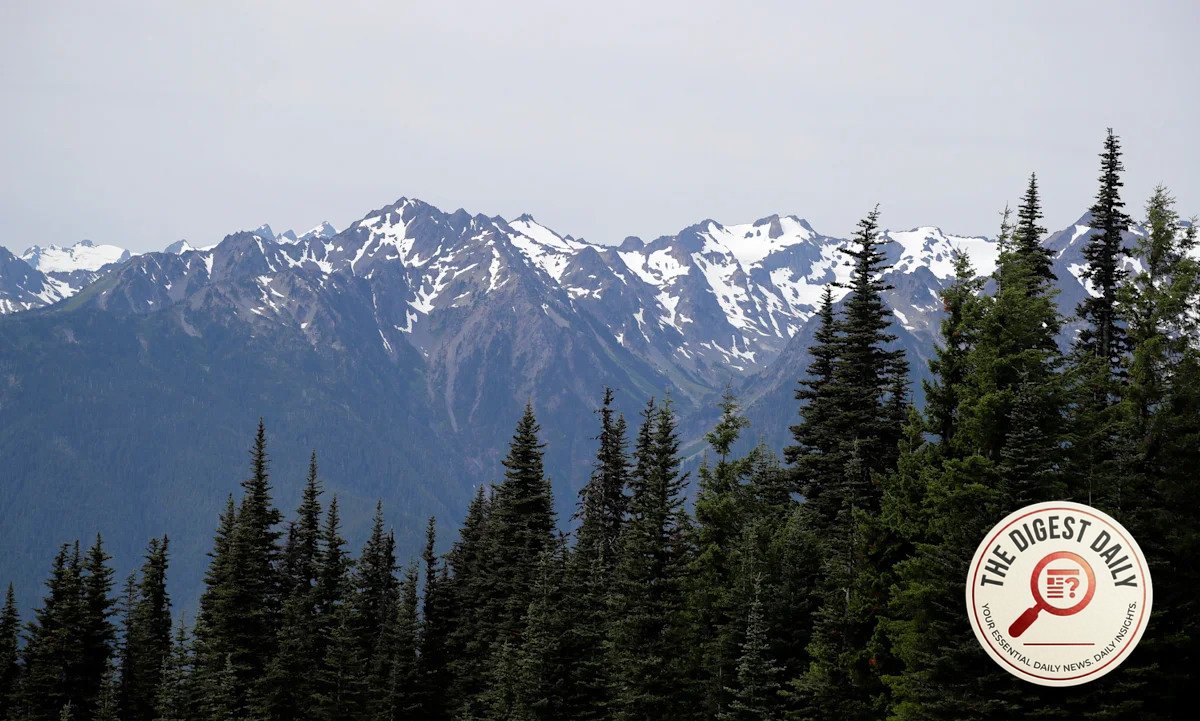
Nature has a way of swallowing people whole. In July 2000, a researcher wandering the rugged backcountry of Washington’s Olympic National Park stumbled upon a grim time capsule along the Sol Duc River. Inside a rotting tent, tucked into a sleeping bag, lay a skeleton. Beside the bones sat the mundane remnants of a life cut short: a daypack, binoculars, a folding saw, a blanket, and heavy winter gear. No ID. No clues. Just a dead man in the woods.
For decades, he was just a statistic. A King County pathologist figured the deceased was a male, somewhere between 30 and 50, who had perished anywhere from six months to two years before his discovery. But the wilderness erases evidence quickly. There were no usable fingerprints. Leads dried up instantly. The case went cold, freezing solid under the weight of passing years.
He finally has a name. Joseph Louis Serrao Jr. He was a Hawaii native who drifted to Washington before vanishing into the ether. His family last heard from him in 1998. He was only in his late 30s when he crawled into that sleeping bag for the last time. For twenty-six years, his relatives lived with the agonizing, quiet void of his absence.
Science eventually caught up with the mystery. In 2024, an anthropologist with the medical examiner’s office decided to push the envelope, sending a DNA sample to Othram, a private forensic laboratory specializing in cold cases. They used forensic genealogy. By 2025, the lab mapped out a family tree, pointing investigators toward living relatives scattered across several states, including Hawaii.
Swabs were taken. The DNA matched. It was him. Debra Flowers, deputy chief of the National Park Service’s criminal investigative division, put a neat bow on the decades-long saga, praising the relentless collaboration that brought closure to a family left wondering for nearly thirty years. It is a small comfort, perhaps. But in this business, a name is sometimes the only justice the dead get.