

They are calling it a peace deal. Don’t hold your breath. Iran’s top diplomat just threw a massive wrench into the tentative agreement meant to end its war with the United States, declaring that Israel must pack up and leave Lebanon. Israel already said no. If neither side blinks, the whole fragile house of cards collapses, and the bombs start falling again.
It is a bizarre diplomatic dance. The actual text remains a secret. Washington and Tehran are the official players, but Israel is the heavily armed ghost at the table. Though not a formal party to the treaty, Israel jumped into the fray on February 28, launching joint strikes with the U.S. against Iran and seizing chunks of Lebanon to fight Hezbollah. Now, Iranian Foreign Minister Abbas Araghchi insists that if Israeli boots stay on Lebanese soil, the war isn’t over.
The Americans see it differently. One U.S. official, speaking on the quiet, claims the draft doesn’t say a damn thing about an Israeli retreat. Meanwhile, Benjamin Netanyahu made his stance crystal clear: Israeli troops will stay in Lebanon for as long as they please. It is a classic diplomatic trainwreck. This exact brand of stubbornness has dragged out the conflict, keeping the vital Strait of Hormuz choked off and the global energy market on life support.
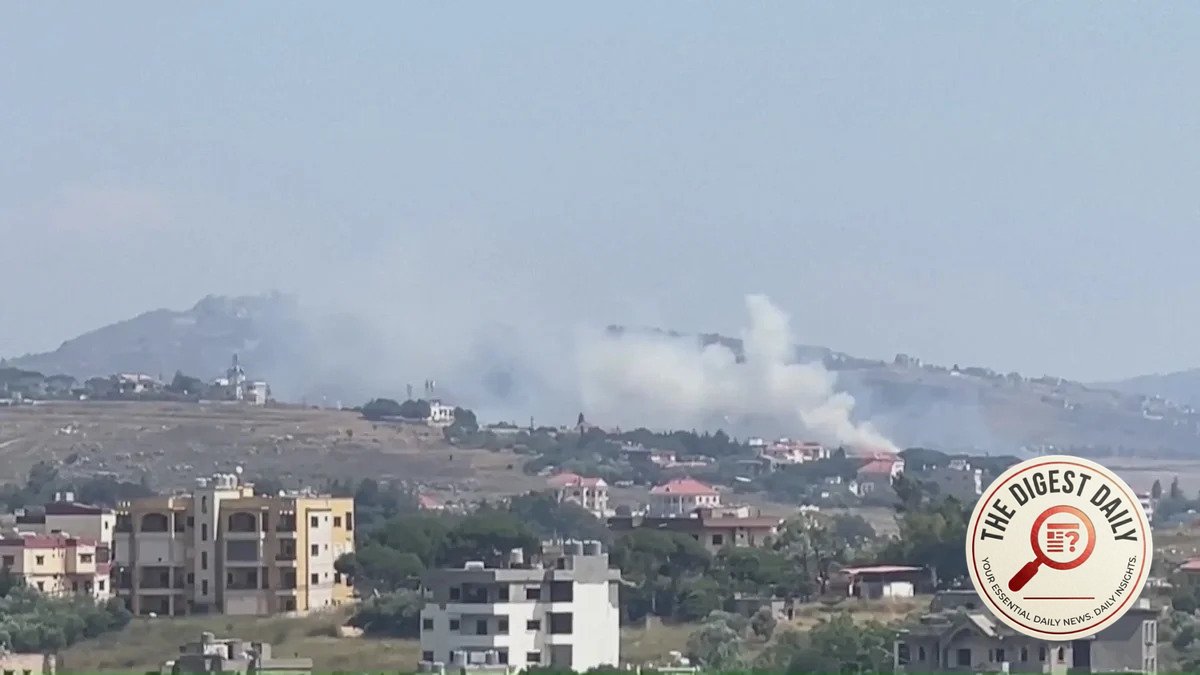
Still, the show must go on. Switzerland is prepping the red carpet at the Bürgenstock resort near Luzern for a Friday signing ceremony. But Araghchi’s sudden ultimatum complicates everything. It traps Israel in a corner. How do they crush Hezbollah without embarrassing their sugar daddy in Washington? Israel’s invasion of southern Lebanon, sparked by cross-border rocket fire, has ballooned into its largest military footprint in decades, reaching deep into Beirut.
Hezbollah is bleeding, but they can still bite. This leaves the actual success of Israel’s campaign highly debatable. Hilariously, as of Tuesday night, Netanyahu hadn’t even laid eyes on the actual memorandum of understanding. Sources say Israeli officials haven’t even bothered to ask their American allies for a copy. The White House is staying silent. Meanwhile, Israel’s ambassador to the U.S., Yechiel Leiter, grumbled to NPR that dragging Lebanon into the mix is entirely unhelpful.
Even Donald Trump is losing patience. The U.S. President openly complained about Israel’s endless campaign, noting that the war has dragged on too long and killed too many people. Nearly 4,000 Lebanese are dead, and over a million have been displaced. Trump wants it over.
Beirut is caught in the middle. Lebanese officials tried to keep their distance from Tehran to avoid looking like puppets, but they are now quietly cheering for any ceasefire that stops the bleeding. Two regional sources confirm that the draft deal does indeed expect Israel to vacate almost all newly seized Lebanese territory. Iran apparently squeezed this demand into the text at the eleventh hour. For now, UN peacekeepers report that while the guns aren’t totally silent, the cross-border shelling has slowed to a crawl.
The stakes are massive. This deal is supposed to stop a regional bloodbath that has sent global prices skyrocketing. The immediate payoff? Opening the Strait of Hormuz and lifting the U.S. naval blockade. In fact, the blockade is already leaking. Two Iranian tankers, the Diona and Hero II, slipped past U.S. warships on Tuesday carrying 3.8 million barrels of crude. It is Iran’s first oil export in two months. Central Command had nothing to say about it.
If the signing happens, a 60-day clock starts. The U.S. and Iran will try to hash out a deal on Tehran’s nuclear program and sanctions relief. There is also a carrot: $300 billion in rebuilding funds and unfrozen assets, though Trump has already backtracked, saying the U.S. won’t be investing its own cash. Nobody knows who will actually police Iran’s nuclear sites, which were hammered by U.S. airstrikes last summer. Iran says it might dilute its enriched uranium, but hardliners in Tehran will likely fight that tooth and nail. Trump says he might let Congress look at the deal. Good luck with that. Capitol Hill is already sharpening its knives.