
High-fives and cheers. That is how the Israeli combat unit celebrated. They had just vaporized a vehicle carrying Palestinians near the Israeli-controlled sector of the Gaza Strip. Everyone inside died.
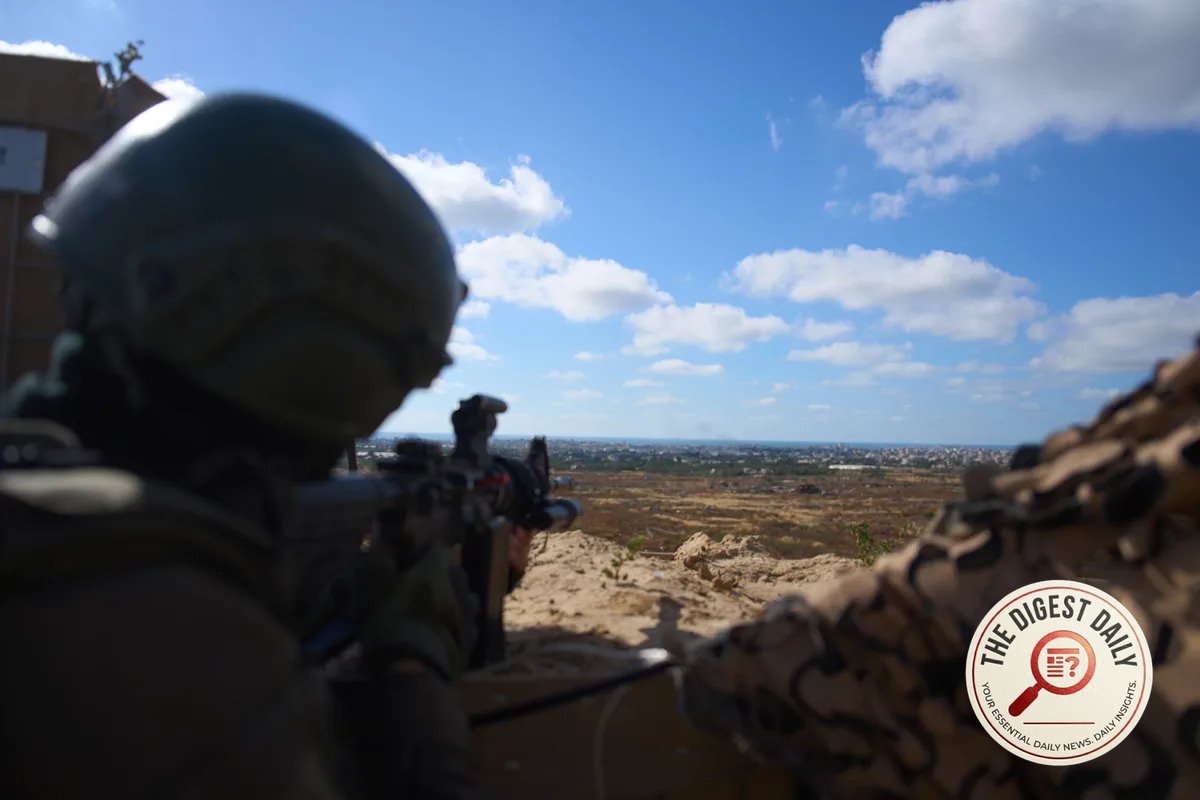
For one reservist, this was just another Tuesday. The fragile October truce changed nothing on the ground. Stationed in Gaza for weeks, he watched his comrades itch for a chance to target anyone drifting too close to the “yellow line”—the arbitrary boundary splitting the strip.
“It was a jungle,” the soldier, a man in his twenties, told reporters. “After the ceasefire, the order was: If someone crosses the line, you shoot them.” Simple. Brutal.
Diplomacy is deadlocked. On the ground, three soldiers described a fog of war thick with contradictory orders and trigger-happy commanders. Some officers paid lip service to the peace deal while whispering to their men that they hoped the bloodshed would never end. Troops fired from distances too great to identify targets. They shot first. They asked questions never.
These accounts offer a rare, grim window into the occupied zones of Gaza seven months into a supposed truce. The whistleblowers—reservists deployed between October and January—spoke anonymously. They fear the inevitable social exile that comes with breaking ranks. But they spoke anyway. They were sickened by what they saw.
Shootings of Palestinian civilians, including kids playing near the boundary, have been documented. The killing never actually paused.
“To call it a ceasefire is a joke,” one soldier muttered.
The line itself is a ghost. Under the truce, Israel pulled back to a buffer zone controlling over half the strip, with promises of a deeper withdrawal that nobody expects to happen. The US-backed mediator admits talks are stuck on disarming Hamas. Meanwhile, Israel simply takes more land.
Sometimes the line is marked by yellow barrels. Sometimes it is completely invisible. The military recently showed reporters a section near the Maghazi refugee camp—a dirt path with small yellow markers. To the east lies empty space, ending at a fortified Israeli outpost 500 meters away.
An Israeli commander claimed Hamas uses civilians and militants to test their defenses. “There is no reason for anyone to come near the line,” he insisted. “There’s nothing here.” The army claims the entire line is now clearly marked.
The numbers tell a different story. Over 900 people have died in Gaza since the truce began, with dozens killed right on the line. Gaza’s Health Ministry does not distinguish between fighters and civilians, but unarmed men and children are among the dead.
The IDF claims most of those killed posed a threat. Soldiers and the veteran group Breaking the Silence disagree. They say panic, distance, and pressure dictate the trigger pulls. The military insists they warn people first. The soldiers say otherwise.
One combat soldier on his second tour saw multiple people killed trying to cross. He said drone strikes and sniper fire are often based on guesswork. Coordinates are called in on a hunch. People move too fast.
Breaking the Silence describes the rules of engagement as incredibly permissive. Nadav Weiman, the group’s director, says the high command has created a reality where civilians are slaughtered for crossing lines they cannot even see. One soldier’s briefing notes were explicit: “eliminate him no matter what.”
Another reservist said the message from the top was clear: hold the line, ignore the cost. “There was a general feeling that human lives are not valuable,” he said. When asked about marking the line so civilians would know where it was, superiors told him it was “too much work.”
Snipers occasionally fired warning shots, but commanders pushed for more “lethal” self-protection. The troops knew the truth. Israel is not planning to leave. They are digging in.
An internal aid group report notes that Israeli strikes have become increasingly proactive. Data from the Armed Conflict Location and Event Data Project shows April was the deadliest month of the year, with deaths near the yellow line jumping by over 25 percent.
Prime Minister Benjamin Netanyahu recently boasted that Israel controls 60% of Gaza. He wants 70%.
For the men on the ground, the word “ceasefire” is a lie. “We need to stop using this term,” one soldier said. “It’s not serving people that want to stop the war.”