
The war on drugs is a shell game. The house always wins, and the public pays the tab in body bags.
Recently, a massive scandal slipped through the cracks of federal secrecy. The U.S. Drug Enforcement Administration allowed hundreds of thousands of lethal fentanyl pills to flood New Mexico. Why? To build bigger cases. They call it “walking” the drugs. Critics call it state-sanctioned poisoning.
It started with a heavily redacted whistleblower complaint sent to the White House. The government tried to hide everything. They blacked out the whistleblower’s name. They blacked out the volume of poison allowed onto the streets. But they got sloppy. A single letter—an “l”—escaped the black marker at the end of the whistleblower’s name.
That was the thread.
A flurry of cold messages on LinkedIn to former Albuquerque DEA agents ending in “l” eventually led to David Howell. He is a 19-year DEA veteran. He was tired of the lies.
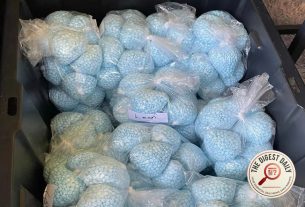
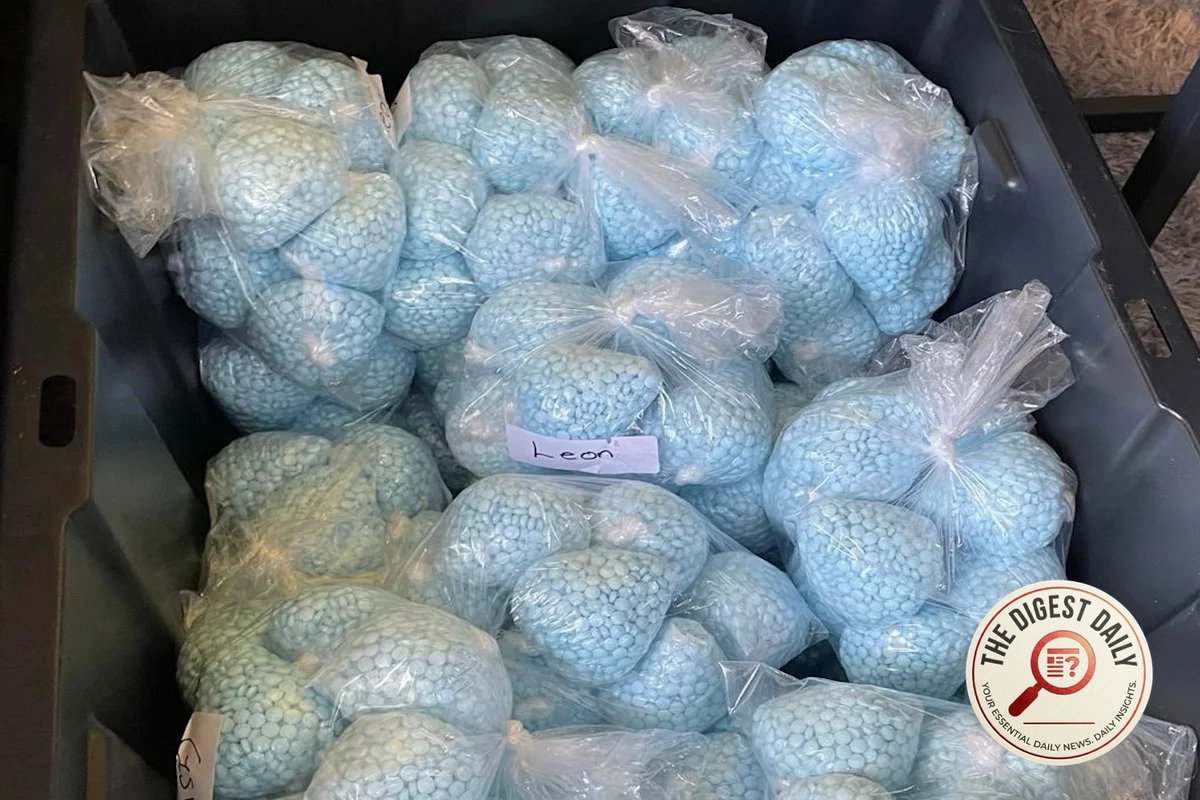
Fentanyl is not weed. It is not cocaine. The White House literally classifies it as a weapon of mass destruction. The DEA’s own PR machine screams that “One Pill Can Kill.” Yet, in 2023, agents watched 74,000 counterfeit pills get delivered to an Albuquerque mobile home park. They did nothing. They let them go. Howell pointed out that this was equivalent to handing a lethal dose to every single person in a packed football stadium.
The federal response? Bureaucratic shrugs.
Former U.S. Attorney Alex Uballez defended the strategy. He claimed letting drugs walk catches the “bigger fish” and ultimately saves lives. The DEA issued a boilerplate denial, calling the allegations false and claiming their actions were entirely lawful.
But the hypocrisy runs deeper. While Howell was raising hell, the Justice Department quietly rewrote its secret rules. They did not tighten restrictions. They gave agents more leeway to let fentanyl walk.
Howell took his evidence—texts, emails, and reports of agents watching a 100,000-pill deal go down without intervening—to the Office of Special Counsel. The watchdog was alarmed. They flagged a “substantial likelihood of wrongdoing” and demanded an investigation.
Predictably, the system protected itself. The Justice Department’s internal affairs unit cleared everyone. They ruled the decisions were reasonable. They claimed letting thousands of lethal doses flood the streets posed no “specific danger” to the public.
Tell that to the families of the dead. The government demands blind trust while playing Russian roulette with American lives.