

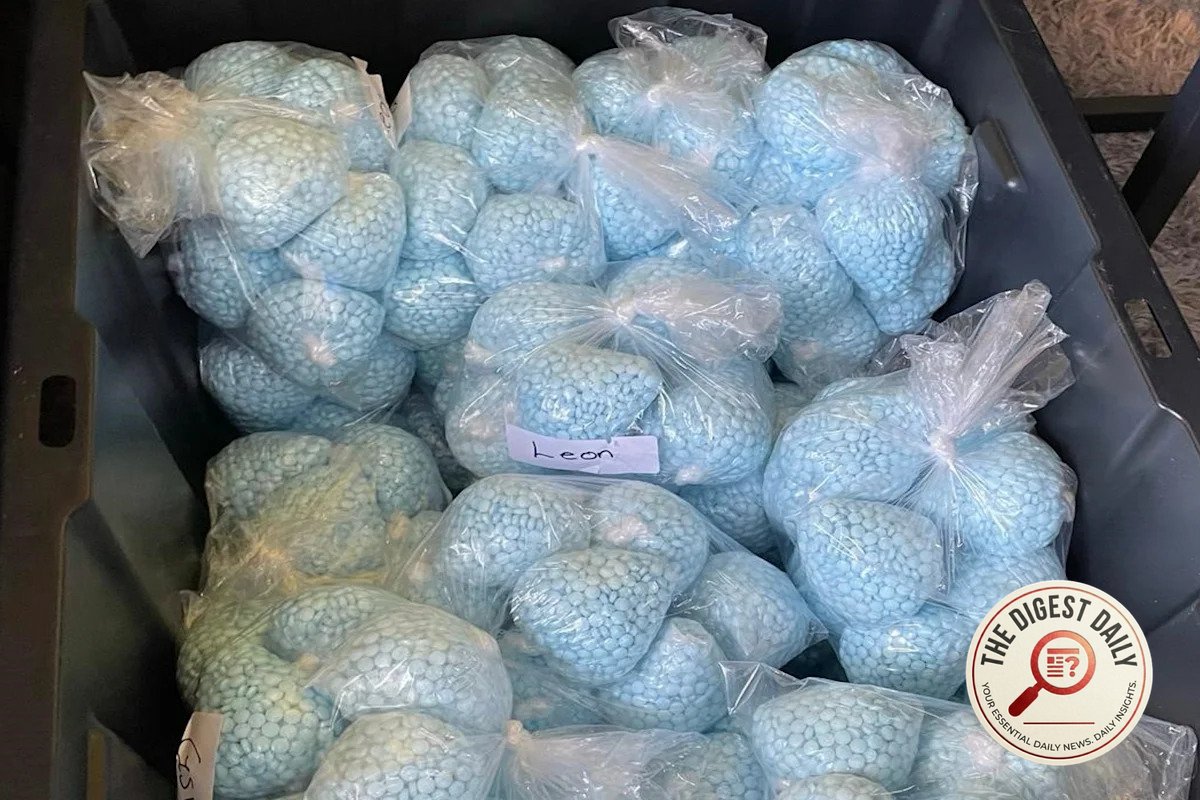
The federal government let hundreds of thousands of fentanyl pills flood New Mexico. Why? To catch bigger fish. It is a classic, cynical bureaucratic gamble. The U.S. Drug Enforcement Administration calls it strategy. Whistleblowers call it madness.
David Howell, a 19-year DEA veteran, couldn’t stomach it anymore. He blew the whistle. But the government tried to bury his complaint, heavily redacting the documents sent to the White House. They missed a spot. A single letter “l” at the end of the whistleblower’s name escaped the black marker. That tiny slip-up was all it took. A flurry of cold messages on LinkedIn to Albuquerque agents with names ending in “l” eventually led to Howell. He was ready to talk.
“Walking” drugs is an old game. Agents let shipments pass to map out entire cartels. But fentanyl changed the math. It is not weed. It is not even cocaine. Two milligrams can kill you. That is a speck on a pencil tip. Yet, in 2023, DEA agents watched 74,000 counterfeit pills get delivered to an Albuquerque mobile home park and did absolutely nothing to stop it. Howell pointed out the obvious: that is enough poison to hand a lethal dose to every single person in a packed football stadium.
The feds, of course, have their excuses. Former U.S. Attorney Alex Uballez defended the tactic, arguing that letting some poison slip through ultimately saves more lives by dismantling the networks. The DEA itself went on the defensive. Spokesperson Amanda Wozniak claimed any suggestion that the agency knowingly endangered communities is flatly false, calling their decisions lawful and reasonable. They want us to trust them.
Trust is a hard sell. While Howell was raising hell, the Justice Department quietly rewrote its non-public rules. They gave agents even more leeway to let deadly synthetic opioids walk. When the Office of Special Counsel smelled smoke and demanded an investigation, the Justice Department’s internal affairs unit did what it does best. They cleared themselves. In 2024, they ruled the DEA’s inaction posed no “specific danger” to the public.
It is a neat trick. The system protects the system. Meanwhile, the bodies keep piling up, and the public is left in the dark, funded by their own tax dollars.