
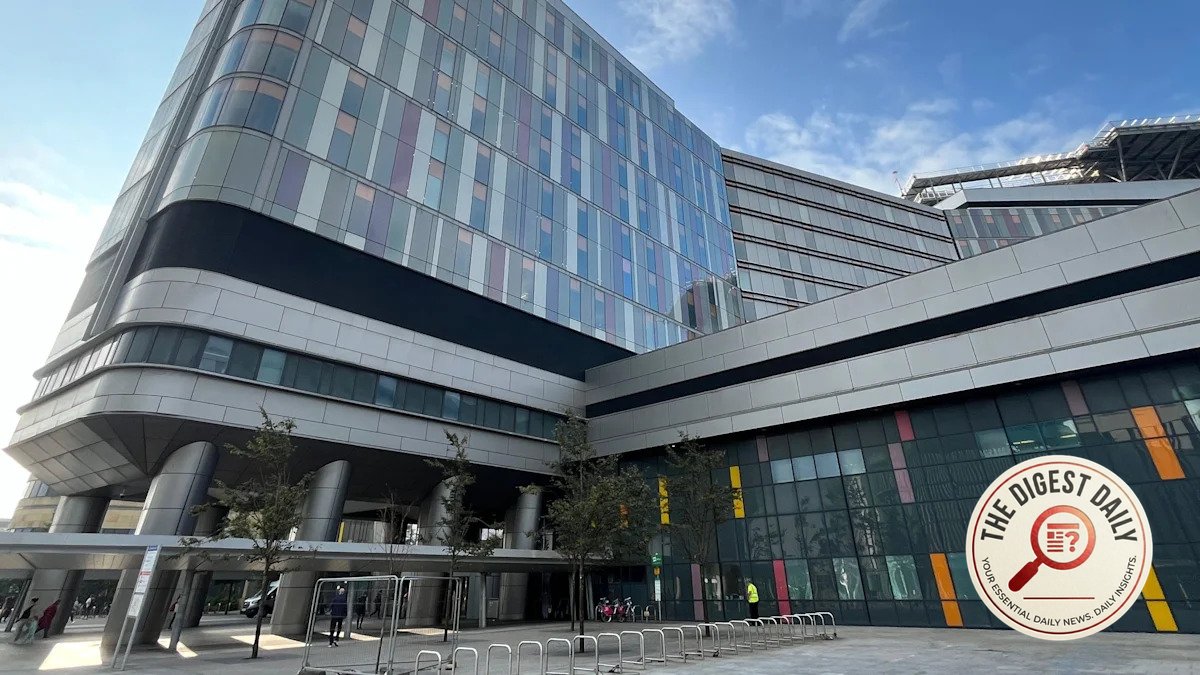
Everyone can breathe again. The suspected Ebola case that sent a shiver through a Glasgow hospital has come back negative. Health officials confirmed the sigh of relief on Tuesday after a patient was rushed into the Queen Elizabeth University Hospital under a cloud of worst-case scenarios.
It was a close call. Had the results gone the other way, it would have marked the UK’s first brush with the deadly virus since the latest nightmare flared up in the Democratic Republic of Congo and Uganda back in May. That African outbreak was nasty enough to trigger a global emergency declaration from the World Health Organization. Naturally, people panicked.
Public Health Scotland played it cool. They acknowledged the scare, calling the testing a mere “precautionary measure.” Soon after, the official word came down: negative. Crisis averted. The bureaucracy worked this time. PHS, alongside other NHS bodies, dusted off their standard playbook for screening travelers from high-risk zones. They have protocols for this. Contact tracing, clinical assessments, and isolation drills are standard procedure.
They even triggered the UKHSA Returning Workers Scheme. It is a system designed to track aid workers and medics heading into the hot zones. Meanwhile, back at the hospital, it was business as usual. No wards were locked down. No visitors were turned away. Why? Because Ebola is not Covid. It does not drift through the air waiting to infect the next passerby. You need actual contact with infected bodily fluids to catch it.
We have been down this road before. Just last week, France logged its first case—a doctor returning from a humanitarian stint in the DRC. And nobody in Scotland forgets Pauline Cafferkey. The nurse contracted the virus in Sierra Leone back in 2014, survived, relapsed with meningitis, and eventually beat the odds to give birth to twins in 2019. She proved there is life after the virus. But the road is hell.
Ebola is a brutal killer. It starts with bats, jumps to humans, and wreaks havoc on the immune system. Symptoms mimic flu or malaria before escalating to vomiting, internal bleeding, and organ failure. It is terrifying. But the actual risk to the British public remains microscopic. The last real cases here were three medics in 2014 and 2015. They all survived. No one else got sick. A similar scare in Colchester in 2022 also turned out to be a false alarm. The system is paranoid, but in this business, paranoia keeps people alive.