

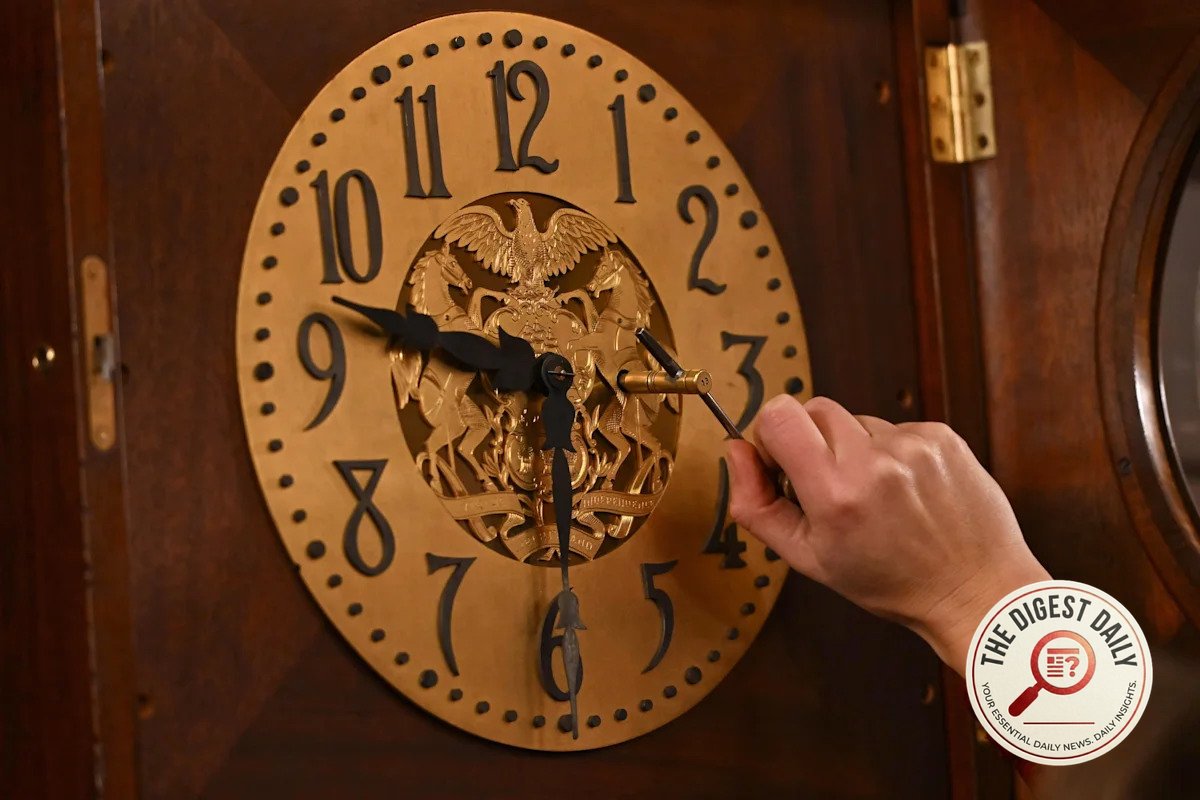
Here we go again. Congress is once more flirting with the idea of locking the clocks and ending our biannual ritual of temporal whiplash. It sounds great on paper. No more groggy mornings in March, no more pitch-black afternoons in November. But before we celebrate the death of “falling back,” we need a quick history lesson. We already tried this. It failed miserably.
Back in the winter of 1973, Congress got the bright idea to mandate year-round daylight saving time. It was supposed to be a trial run. It lasted less than a year. By October 1974, the experiment was dead, killed by a wave of public fury. Why? Because parents hated sending their kids to school in pitch-black, freezing winter mornings. It felt like midnight at 8:00 AM.
Today’s politicians seem to have forgotten that lesson. The House recently pushed forward a bill to make the shift permanent, riding a wave of public exhaustion. Nobody likes changing the clocks. A recent poll showed a measly 12% of Americans actually support the twice-a-year shuffle. Sleep scientists and doctors are on board with a single, fixed time, too. But the devil is in the details.
If we freeze the clocks on daylight time, winter mornings will become brutal. In some parts of the country, the sun won’t rise until nearly 9:30 AM. Critics are already sounding the alarm about kids waiting for school buses in the dead of night. Some argue our massive, sweeping time zones aren’t built for this. To make it work, we’d have to redraw the time zone map entirely.
Maybe things are different now. We have remote work, flexible schedules, and a better understanding of sleep hygiene. But human biology hasn’t changed since 1974. Dark mornings still suck.