

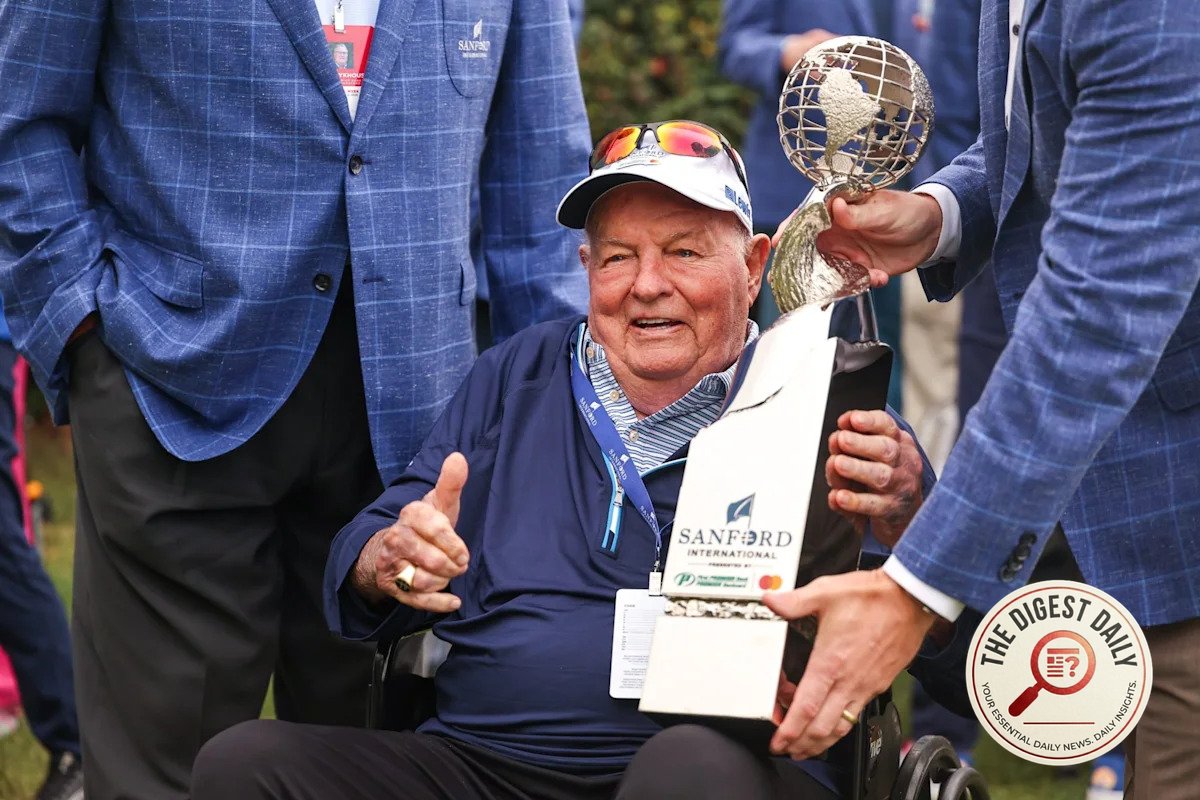
T. Denny Sanford had one final goal. He wanted to drain his bank accounts to zero before he kicked the bucket. He didn’t quite make it. The South Dakota banking tycoon died on July 18 at the ripe old age of 90, leaving behind a legacy of massive giving and a still-staggering fortune. By March, estimators pegged his net worth at a cool $2.4 billion. Close, but no cigar. Still, the man managed to unload more than $4 billion during his lifetime. Half of that went straight into his namesake health system.
“I want to die broke,” he told Forbes back in 2007. He viewed charity like a cold-blooded investor looking for the ultimate ROI. It worked. His cash transformed a sleepy regional hospital into a behemoth rural healthcare network. South Dakota Governor Larry Rhoden crowned him the state’s greatest philanthropist. His money saturated the state. It funded underground physics labs, college scholarships, and children’s shelters. He bought a legacy.
How did he get the cash? It wasn’t pretty. Sanford grew up dirt poor in St. Paul. His mother died when he was four. By eight, he was sweating in his dad’s garment shop. A teenage street fight landed him in a jail cell. A merciful judge let him out on the condition that he enroll at the University of Minnesota. It was the turning point.
The real money came later. In 1986, Sanford bought a small Sioux Falls bank. He rebranded it and unleashed Premier Bankcard. The business model was simple: peddle high-interest credit cards to desperate people with terrible credit. South Dakota’s notoriously lax banking laws made it a goldmine. It was predatory, but highly lucrative. Customers paid $175 in fees just to get a measly $1,000 credit limit. Sanford called it a lifeline. Critics called it usury. Either way, the subprime plastic engine minted him billions, proving that in America, you can build a saintly reputation on the backs of the broke.