
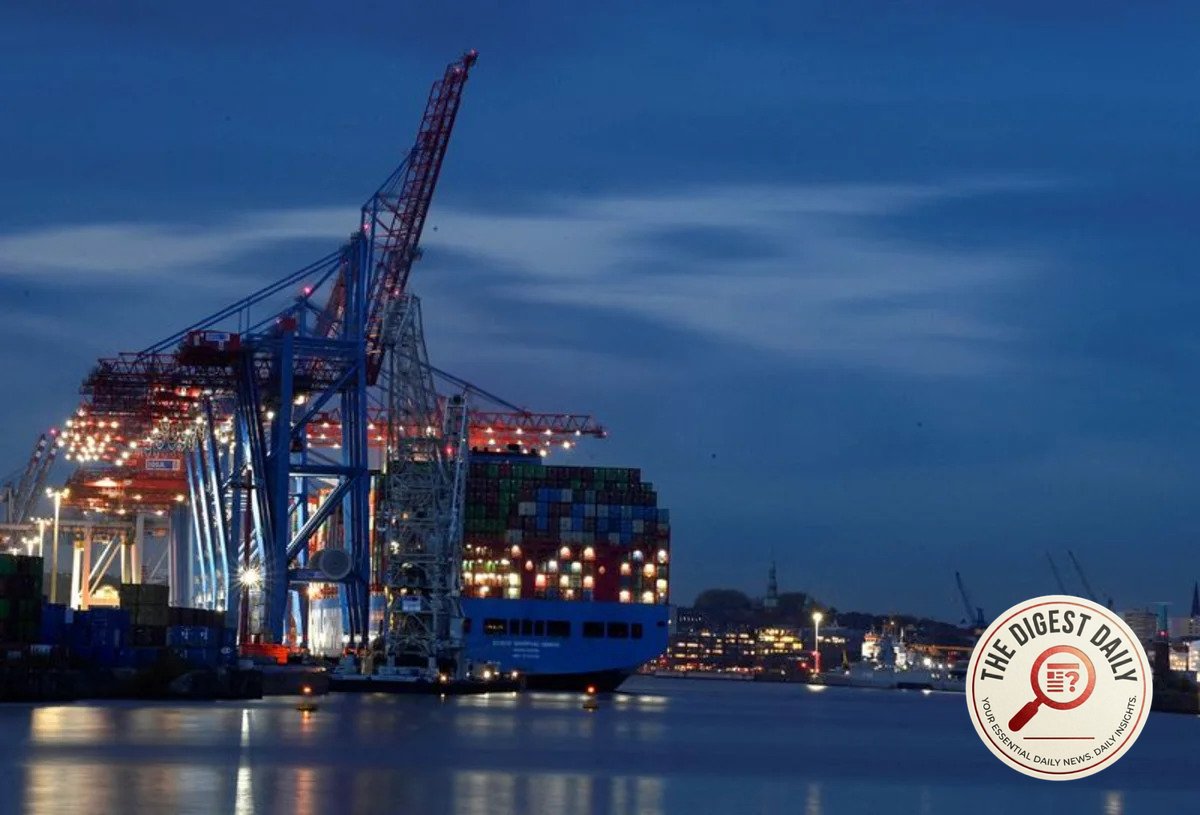
Washington is getting ready to slap new port fees on Chinese-built cargo ships. It is a messy geopolitical play. Yet, Germany might actually win. A new study from the German Institute for Economic Research (DIW) suggests German exports to the U.S. could tick up by about 2% once these fees kick in. Why? Because German shipping fleets do not rely on Chinese shipyards nearly as much as their rivals do. It is a rare stroke of luck.
The White House wants these fees active by November. They claim it is a national security issue, a desperate bid to break Beijing’s stranglehold on global shipbuilding. The tax targets the ship’s birthplace, not the flag it flies or the cargo it carries. If it was built in China, it pays.
But trade wars are messy. DIW warns the U.S. will likely shoot itself in the foot here. They project American imports and exports will dip by 0.2% and 0.3% as costs rise. It is basic economics. Higher shipping fees drive up the price of raw materials, which kills competitiveness for American factories and dampens consumer demand.
Other nations will feel the squeeze. Within Europe, Finland, Denmark, and Poland are looking at export drops of up to 5%. Developing nations like Vietnam and Costa Rica could see their U.S. trade crater by nearly 9%. Meanwhile, South Korea, much like Germany, stands to gain a neat 2% bump. In the global trade game, one nation’s tariff headache is another’s market share.