

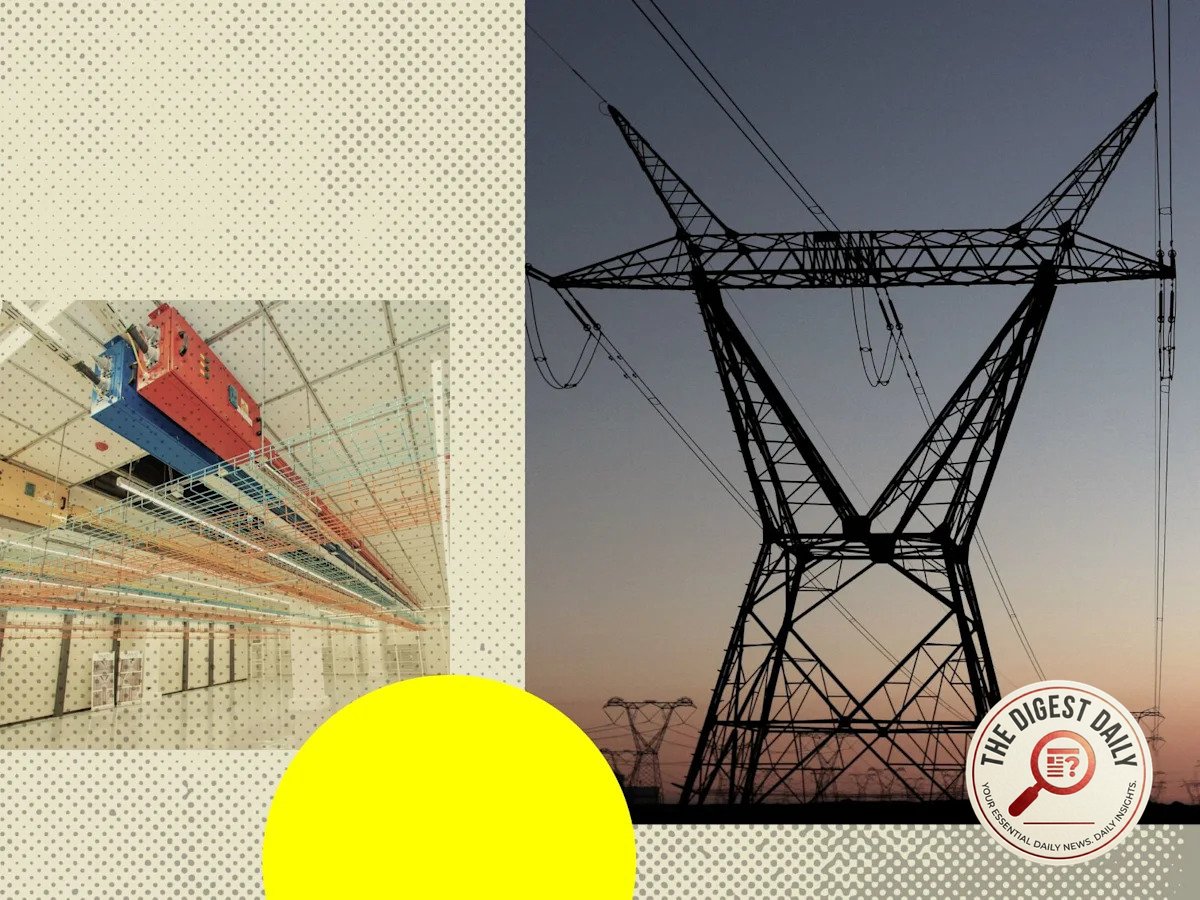
Africa wants a piece of the AI boom. It won’t get it. Not unless governments stop hoarding control over their electricity grids. That is the blunt reality facing the continent as tech giants look for places to dump their power-hungry data centers. Right now, the math is brutal. Africa holds a measly 5.5% of the world’s data centers—about 160 facilities in total. Meanwhile, its population is exploding, and the labor force will double by 2050. Without a massive digital shift, mass unemployment is practically guaranteed.
The bottleneck is simple: state-run power monopolies. In most African nations, private energy producers cannot sell directly to private buyers. They have to sell to bloated, inefficient state utilities first. It is a terrible system. Robert Skjødt, who runs the data center operator Raxio, points out the obvious fix. Governments must reform regulations to allow private-to-private power transmission over the existing grid. It works in the West. It needs to work here.
The stakes are high. Very high. The International Monetary Fund reckons AI could juice sub-Saharan Africa’s economy by an extra 4% over the next ten years. But that is a pipe dream without juice. Right now, 600 million people on the continent live in the dark. No lights. No computers. No AI. It is why the IMF ranks the region dead last on its AI Preparedness Index. If the grids remain broken, the economic impact of the AI revolution will be exactly zero.