

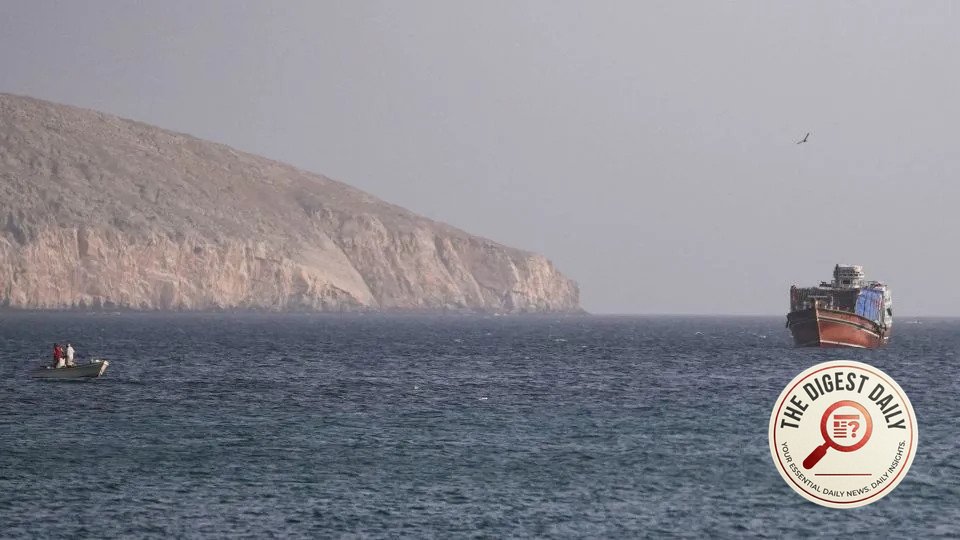
Wars never end where they start. The current slugfest with Iran began with grand illusions of regime change and surgical strikes on nuclear sites. Now? It is a dirty, grinding street fight over a wet ditch. The Strait of Hormuz. This narrow strip of water controls the global economic thermostat. Iran wants the dial. The West, and the Gulf states, cannot let them have it.
Right now, Tehran holds the cards. They are not blocking the strait with warships. That would be too easy to target. Instead, they launch cheap drones and cruise missiles at civilian tankers. It works. Commerce stops. The old rule—that Hormuz stays open even when bombs fall—is dead. We saw this in the Red Sea with the Houthis. The US Navy played whack-a-mole with drones but could not reassure the shipping giants. The Houthis only stopped when they got a deal. Hormuz is worse. The Bab al-Mandeb handles ten percent of global trade. Hormuz handles twenty percent of global energy. Block that, and the global economy tanks.
But Iran is playing a short game. Their strategy is simple: squeeze the world’s energy supply until Washington folds. It is a gamble that is already backfiring. By terrorizing tankers, Tehran has triggered a massive, permanent reaction. The Middle East is redrawing its energy map. They are building around the chokepoint.
Before this mess, 23 million barrels of oil passed through Hormuz daily. It was the only exit for Iraq, Kuwait, Qatar, and Bahrain. Not anymore. The region is investing in redundancy. Goldman Sachs thinks bypass routes could carry sixty percent of that oil by 2028. Look at the numbers. Saudi Arabia is expanding its East-West pipeline to the Red Sea, aiming for nine million barrels a day by 2029. The UAE is doubling its capacity south of the strait to 3.6 million barrels by 2027.
Iraq is the real wild card. Baghdad is working with US oil firms and Syria to revive dead pipelines to the Mediterranean. The goal is to move two to three million barrels west by 2030. Add the Kirkuk-Ceyhan line to Turkey for another million. Then there is the planned pipeline through Jordan to Aqaba, adding up to 2.5 million barrels. If these fly, Hormuz becomes a sideshow.
This is not fantasy. We have seen this movie before. After the Soviet collapse, the US pushed the Baku-Tbilisi-Ceyhan pipeline. Critics called it a pipe dream. It opened in 2006 and broke Russia’s monopoly. Europe ignored that lesson and paid the price. The Gulf states are not that stupid. Iran thinks it has a stranglehold on the world’s throat. But if you squeeze too hard, the prey finds another way to breathe. Washington needs to help them dig the new windpipe.