
Donald Trump declared the ceasefire dead. He promised more fire. Then, he insisted this wouldn’t slide into a total war. Nobody is buying it, least of all Tehran.
Iran fired back fast. Touch our oil, they warned, and we will blow up every well in the Persian Gulf.
Trump has his eyes on Kharg Island. It is a tiny speck of land that handles 90 percent of Iran’s crude exports. Knock it out, and a massive chunk of the world’s energy supply vanishes overnight.
If the U.S. pulls the trigger, Iran’s targets are obvious. Saudi Arabia, Qatar, Bahrain, Kuwait, and the UAE are sitting ducks. They have been hit before. Tehran has already proven it can strike Saudi refineries and Qatari gas hubs when cornered.
This is not just about expensive gas. It is about ecological ruin.
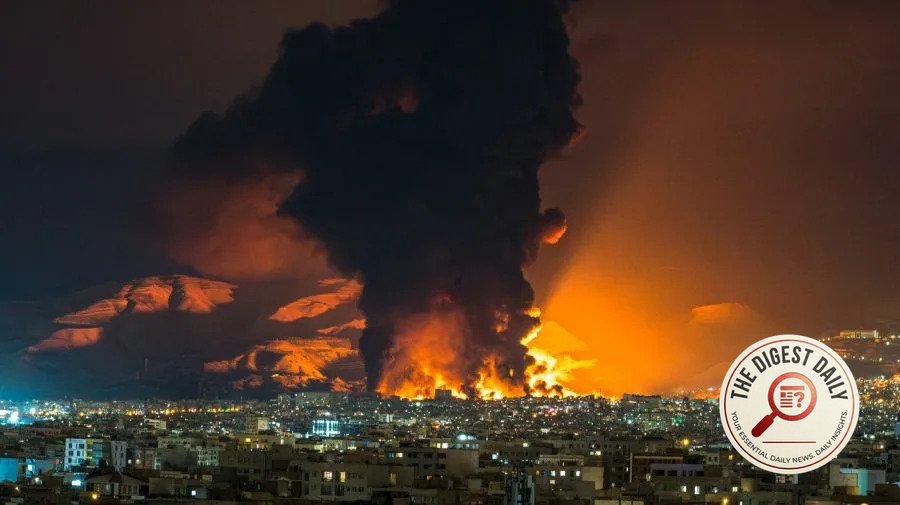
Remember 1991? Saddam Hussein’s retreating army torched over 500 Kuwaiti oil wells. It was Chernobyl in the desert. The black geysers burned for nine months. It took explosives, seawater, and sheer desperation to choke them out.
Meanwhile, the earth choked. Oil slicked the desert, killing the soil. Millions of gallons poured into the Gulf, wiping out marine life, sea cows, and dolphins. The sky turned to midnight.
Burning crude is poison. It pumps heavy metals, sulfur, and soot into the lungs of anyone nearby. It birthed “Gulf War Illness” in American veterans—a misery of chronic fatigue, joint pain, and brain fog.
We are already seeing the prelude. Recent strikes on Iranian oil facilities belched 29,800 tonnes of sulfur dioxide into the atmosphere. That is worse than the 2010 Icelandic volcanic eruption that grounded global flights. That toxic cloud did not care about borders; it drifted straight into China and Central Asia.
So far, Gulf nations have played defense. They have absorbed minor Iranian drone strikes with quiet fury. But if the wells go up in flames, the diplomatic kid gloves come off.
These countries have American-made missile shields, but you cannot protect every square inch of a massive oil field. If they strike back, the environmental nightmare doubles. If they beg Washington for help, the U.S. gets dragged right back into the Middle Eastern swamp it has been trying to escape for decades.
Then comes the economic gut punch. The Persian Gulf sits on 60 percent of the planet’s oil reserves.
Wall Street is already twitching. Brent crude spiked toward $80 a barrel immediately after Trump’s latest outburst. American West Texas Intermediate jumped to $73.
Even if the U.S. does not burn Gulf oil directly, global markets are connected. If the Middle East burns, prices at American pumps will skyrocket. For a public already battered by inflation, that is a political nightmare.
In this game, everyone loses. The only question is how much of the planet we burn in the process.