

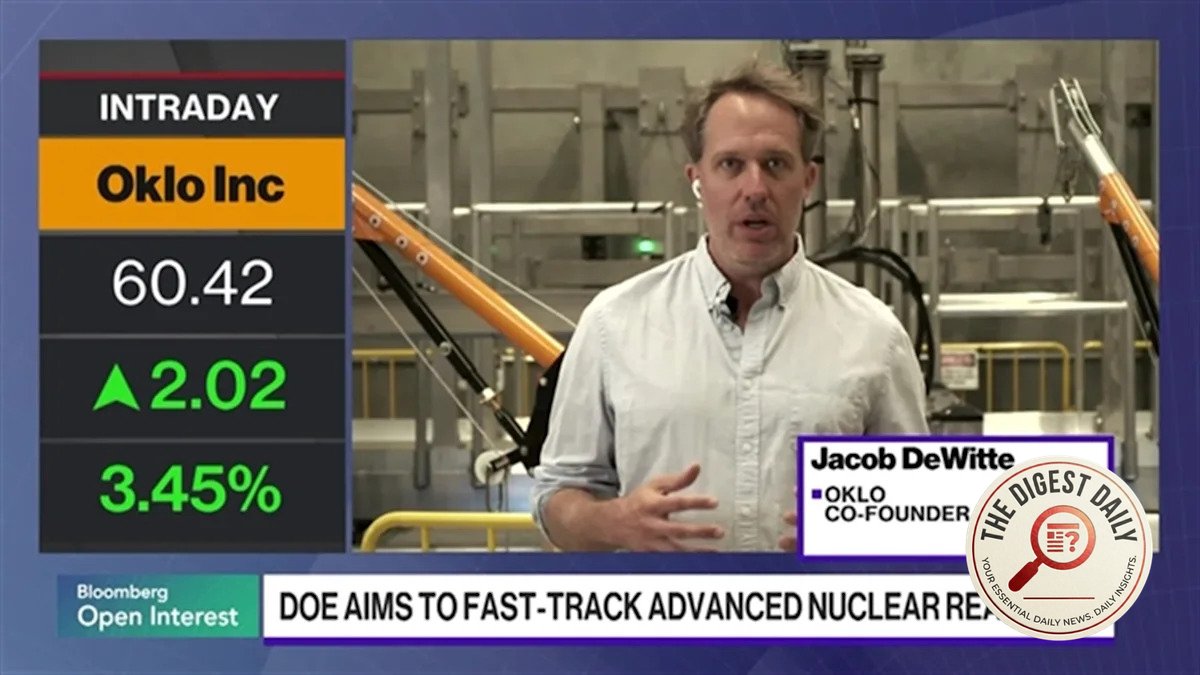
Uncle Sam is writing a massive check. The Trump administration just pledged $17.5 billion in federal loans to kickstart ten massive nuclear reactors. Why? Because artificial intelligence and sprawling data centers are eating the power grid alive. Energy Secretary Chris Wright claims developers are practically begging for juice.
The timeline is ambitious. Construction starts by 2030. Power flows by the mid-2030s. That is the plan, anyway. Wright expects dozens more to follow once the supply chain wakes up. “This is the start,” he told reporters. We will see.
History says otherwise. Building nuclear plants in America is usually a financial bloodbath. Only two large reactors have gone online in recent decades—Georgia’s Plant Vogtle. They arrived years late. They cost billions over budget. The new projects will use the exact same Westinghouse AP1000 design. Wright blames Vogtle’s disaster on bad planning and the pandemic, insisting the technology itself is rock solid.
The strategy here is repetition. Build them fast. Build them often. The Energy Department hopes mass production will slash costs and build expertise. Seven utilities have already raised their hands, though the government is keeping their names secret for now. Five sites will eventually be chosen, each hosting a pair of reactors. Crucially, this cash isn’t for actual construction; it is meant to buy heavy, long-lead components before ground is even broken.
Trump wants a nuclear renaissance. His goal is to quadruple domestic nuclear output within a quarter-century. Westinghouse CEO Dan Sumner argues that the U.S. cannot lead the tech race without this massive power surge. But critics are screaming foul. They call nuclear energy a money pit. Some states outright ban it.
Free-market purists are not thrilled either. Travis Fisher of the Cato Institute points out that while the loans are legal, Washington should not be playing venture capitalist with the power grid. Administrations change. Priorities shift. Today’s favored energy source becomes tomorrow’s scrap heap. Fisher wants the government to step aside and let the market decide.
But the math is brutal. Data centers devoured up to 5% of U.S. electricity last year. That number could triple by 2028. Overall demand might jump 20% in a decade. To bridge the gap, the feds want these ten reactors fast-tracked by three years. Utilities and Westinghouse have to cough up $5 billion in equity. The government covers the rest with $3.5 billion in debt per site. Wright insists taxpayers are safe. History suggests they should keep their wallets close.