
For decades, disabled Americans fought to escape the shadows. They wanted classrooms, jobs, and normal lives. Now, those hard-won rights are on the chopping block. The Trump administration is quietly shifting the goalposts.
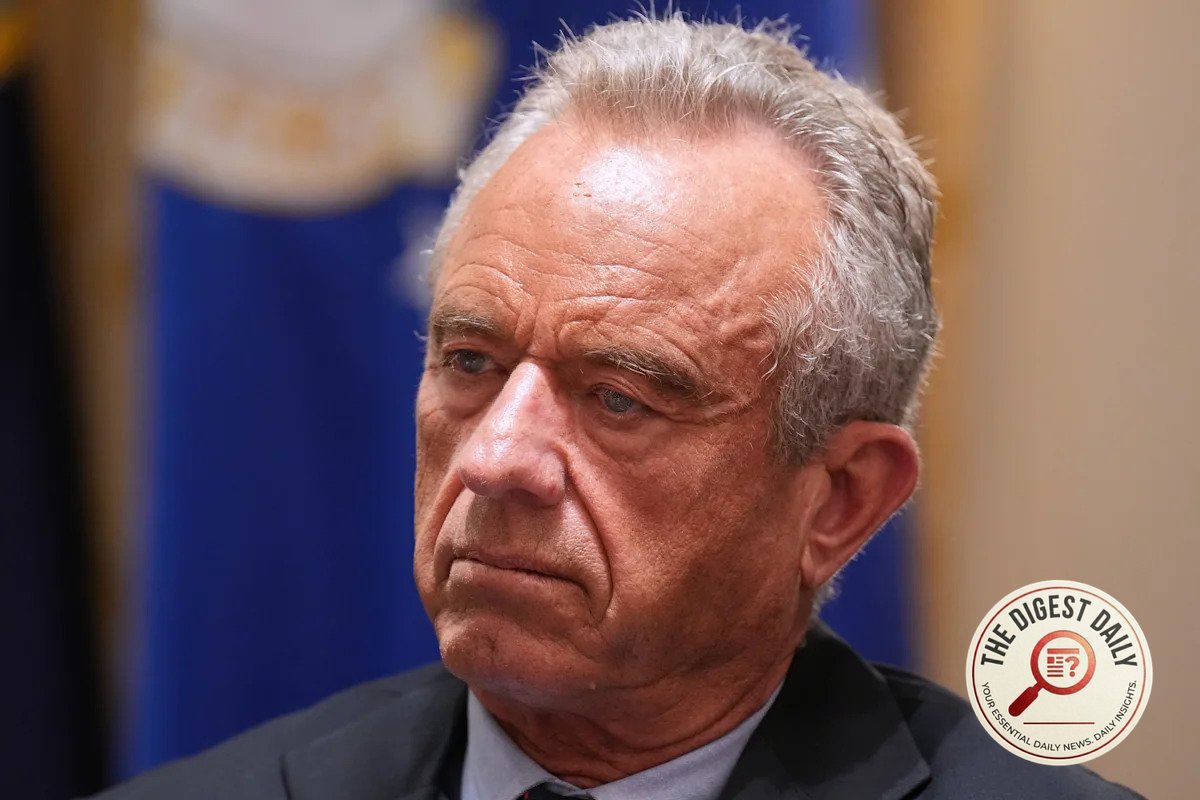
It started with a bureaucratic shuffle. The Education Department handed special education oversight to the Department of Health and Human Services. The man running HHS? Robert F. Kennedy Jr. He is a vaccine skeptic who once claimed autistic children would never write poems, pay taxes, or hold jobs. He later backtracked, claiming he only meant ‘severe’ cases. Advocates aren’t buying it. They wonder if he views these kids as lost causes waiting for a medical miracle.
This is a return to the dark ages. For years, the ‘social model’ of disability ruled. It said society should adapt to accommodate differences. Kennedy’s appointment signals a retreat to the ‘medical model.’ Under this view, disability is a defect. A broken machine to be fixed or hidden away.
Then came the legal hammer. In June, the Department of Justice’s Office of Legal Counsel quietly dropped a memo. It targeted Olmstead v. L.C., the landmark 1999 Supreme Court ruling that declared segregating disabled people a form of discrimination. The DOJ’s new stance? Neither the Americans with Disabilities Act nor Section 504 actually forces states to integrate disabled people into mainstream society. It is a radical reinterpretation. The DOJ even admitted its view is ‘out of step’ with common understanding. They expect lawsuits. They do not seem to care.
This fits a broader pattern. Trump previously signed an executive order targeting homelessness. It pushed for civil commitment—forcing people into involuntary treatment and hospital beds. He told HHS to make institutionalization easier. The message is clear. If you do not fit the mold, you do not belong on the street or in the classroom.
‘It’s dark, and it’s awful,’ says Claudia Center of the Disability Rights Education and Defense Fund. She calls the administration’s worldview completely out of touch with modern society. Selene Almazan of the Council of Parent Attorneys and Advocates calls it a ‘frontal assault’ on basic human rights.
The fallout is already hitting living rooms. Take Whitman, a 12-year-old in Ohio with autism and apraxia. Thanks to Medicaid waivers, his grandmother gets paid to care for him, keeping him active in his community. But the new DOJ memo threatens the funding for these exact programs. His mother, Lindsey Althaus, is terrified. ‘It’s just starting to feel like Whitman’s not going to be welcome anymore,’ she says. The message she hears from Washington is brutal: be perfect, or get out of the light.
In Maryland, Magda Nakassis watches her nonverbal, autistic eight-year-old son thrive in a public school. Before this, private preschools just kicked him out. Now, he has peers who want to hang out with him through a school program called ‘Fantastic Friends.’ Nakassis rejects the idea that her son’s education is a medical issue. It is about basic equity. She looks at the federal shift with dread. ‘I sometimes wonder, what did we use to do?’ she says. ‘I can’t believe it was better.’