
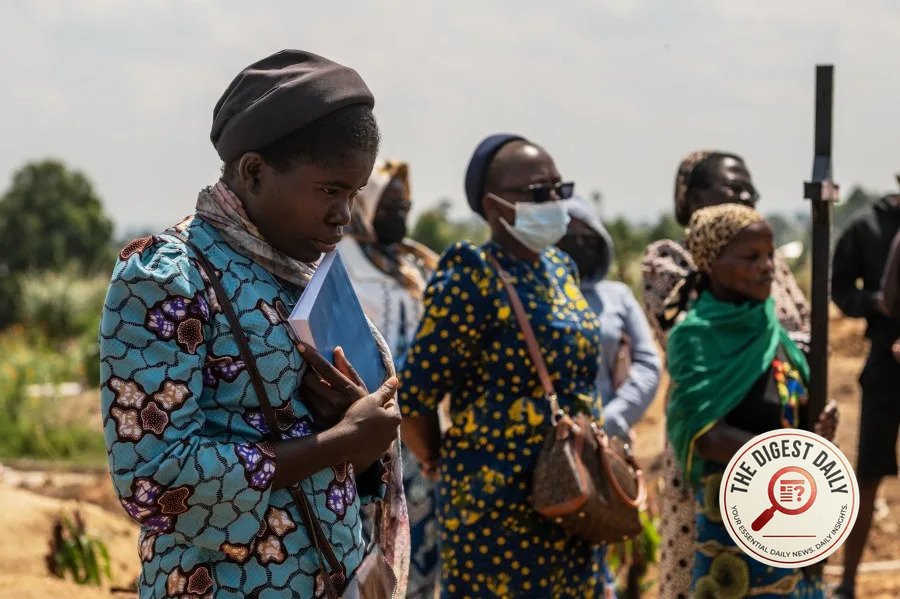
The numbers are climbing. Congo’s health ministry just dropped the latest grim tally: 1,003 confirmed Ebola cases in the eastern region, with the death toll now sitting at 254. Just days ago, on Saturday, it was 956 cases and 247 dead. It is moving fast.
Since the nightmare began on May 15 in Ituri province, only 100 people have managed to beat the virus and recover. Meanwhile, at least 365 patients are currently languishing in isolation wards or hospital beds. This isn’t the standard Ebola we know how to fight. It’s the rare Bundibugyo strain. There is no vaccine for this. No approved treatment, either. You get it, you pray.
Health workers are flying blind. Contact tracing is a mess, currently hovering at a pathetic 55% coverage. They are hunting for “patient zero” in the dark while trying to track down more than 35,000 people who might have brushed against the infected. “We don’t have confidence on when this outbreak started,” admitted Dr. Jean Kaseya, the head of the Africa CDC. That is diplomatic speak for “we have no idea how bad this actually is.”
It gets worse. The Islamic State-backed Allied Democratic Forces are busy terrorizing Ituri, cutting off entire villages and sending terrified locals fleeing into the bush. How do you track a deadly virus when the patients are running for their lives from militants? You don’t.
Look at the Kigonze camp in Bunia. It is packed with over 20,000 displaced souls. Last week, ten people died there under what officials call “unusual circumstances.” No confirmed Ebola yet, but the clock is ticking. The UN Refugee Agency says two million displaced people, including 320,000 refugees, are sitting ducks in the hot zone. They are deeply concerned. They should be.