

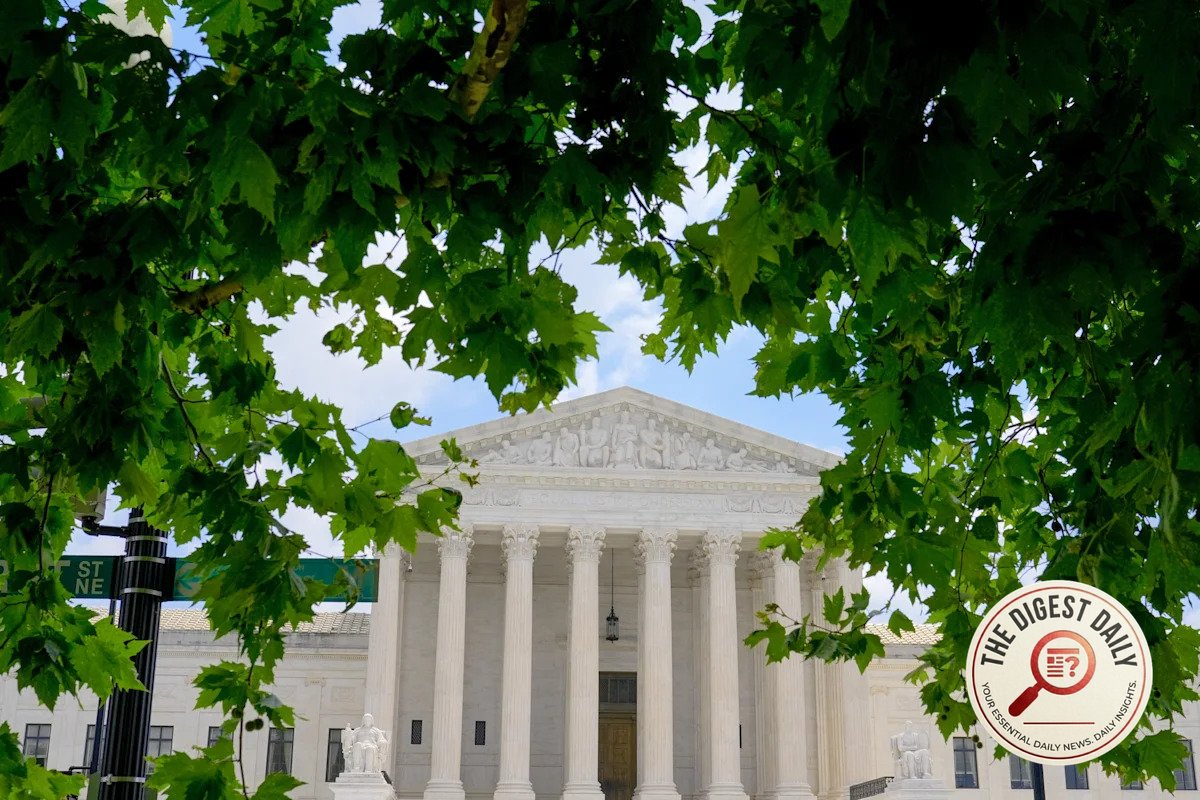
The Supreme Court just handed Texas a major win. On Monday, the high court refused to block a state law forcing app stores to verify user ages. Under the new rules, minors need parental consent just to download an app or buy digital extras.
Justice Samuel Alito killed the emergency appeals with two blunt, one-sentence orders. Tech groups and student advocates had begged the court to intervene, arguing the Texas App Store Accountability Act tramples on basic free speech rights.
They lost.
This fight has been a legal seesaw. Last month, a three-judge panel from the 5th U.S. Circuit Court of Appeals cleared the law for takeoff. That decision effectively froze a lower court’s December ruling, which had previously flagged the law as unconstitutional.
The coalition fighting the law includes the Computer & Communications Industry Association and a group called Students Engaged in Advancing Texas. They are suing Texas Attorney General Ken Paxton.
Opponents argue the law is a censorship trap. By forcing age checks, they say, the state is choking off access to perfectly legal, protected content like news and educational tools.
Lawyers for the student group argued that true public interest lies in protecting the First Amendment. They insisted parents, not state bureaucrats, should decide what their kids see online.
Paxton’s office sees it differently. His lawyers painted a dark picture of the digital landscape, calling apps “dangerous modern products” that prey on kids.
According to the state, an unsupervised child with a smartphone is a target. Without parental oversight, they argue, kids are constantly exposed to privacy invasions, data harvesting, and predatory content. For now, the Supreme Court is letting Texas run its digital dragnet.