
The shooting has stopped. Tehran’s aging theocracy survived the American onslaught, but don’t pop the champagne yet. Their real nightmare is just starting. They now face a ruined economy, an angry, starving population, and hardliners drunk on their own survival.
It is a classic trap.
On one side, the zealots are riding high. They think they won. They want more guns, less talk, and zero compromise with Washington. On the other side, ordinary Iranians are exhausted. Years of sanctions followed by a brutal war left them broke and broken. They want food, jobs, and a break. They want a peace dividend.
They won’t get both.
“The moment the war ends, the real trouble starts,” says Hamidreza Azizi, an analyst in Berlin. He is right. The regime is sitting on a powder keg.
Four officials quietly admitted the obvious to Reuters: the public expects immediate relief. If the government pockets the cash from suspended sanctions to rebuild the military instead of feeding the people, the streets will burn again. Remember the thousands killed in recent protests? The anger never left. It just simmered.
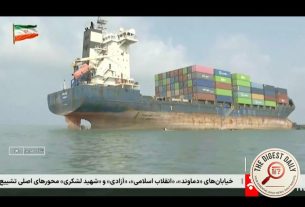
One reformist insider called the peace deal a double-edged sword. Tehran only signed it to keep the Strait of Hormuz open and stop the bleeding. But the economy is a wreck. Inflation is sky-high. The currency is toilet paper.
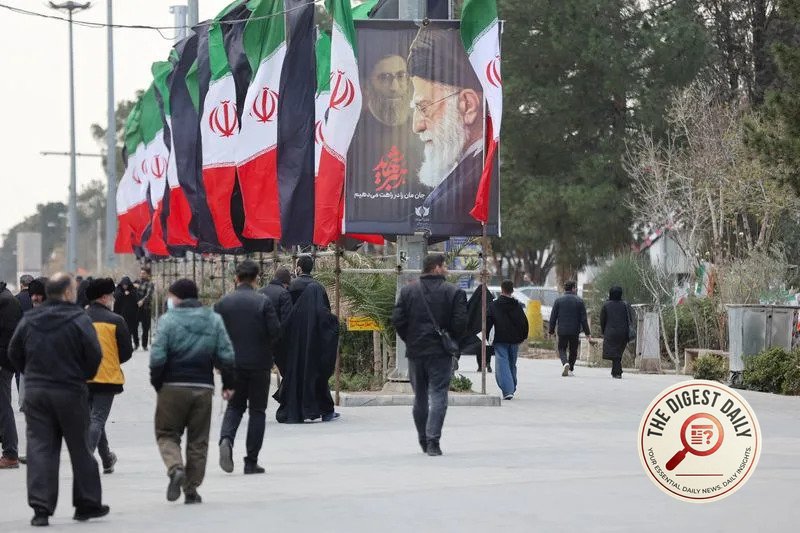
Meanwhile, the hardliners want their payoff. The Revolutionary Guards and the ultra-conservative Paydari Front feel vindicated. They want to double down. Some are furious that the regime is shaking hands with the “killers” of Supreme Leader Ayatollah Ali Khamenei, who died on day one of the war.
“What happened to avenging his blood?” grumbled one militia member.
The regime’s new leader, Mojtaba Khamenei, backed by the Guards, has a delicate balancing act. They might tolerate women walking around without hijabs—a quiet concession from previous protests—but political dissent will be crushed. Whether it comes from starving liberals or angry zealots, the iron fist remains ready.
Peace is hell.