

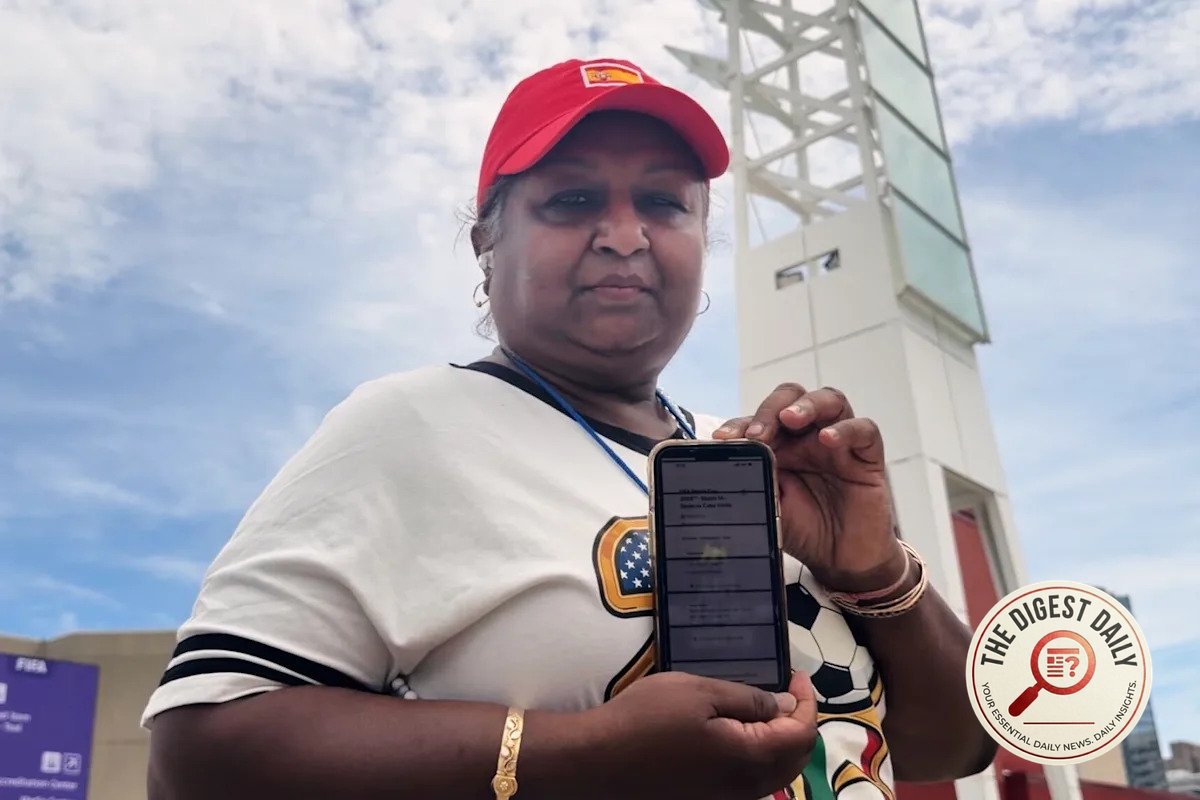
Bina Ramroop stood outside Atlanta’s Mercedes-Benz Stadium, clutching a useless phone. Inside, the crowd roared. Spain was playing Cape Verde. Outside, Ramroop was in tears. She had spent $485 per ticket on StubHub to celebrate her grandson’s 13th birthday. Instead of entering the turnstiles, she spent hours trapped in a bureaucratic purgatory, bounced between useless StubHub customer service reps and indifferent FIFA ticket agents. Each side pointed fingers at the other. Ultimately, she took a refund. She didn’t want the cash. She wanted the memories.
She wasn’t alone. Not by a long shot. The 2026 World Cup is delivering drama on the pitch, but outside, it’s a logistical trainwreck. Social media is flooded with furious fans who bought tickets that never materialized. Orders vanished at the eleventh hour. Tech glitches and corporate greed collided, leaving supporters stranded. While StubHub is taking the brunt of the fury, competitors like SeatGeek and Vivid Seats aren’t unscathed.
FIFA wants you to use their official marketplace. Why? Because they pocket a staggering 30% cut—splitting a 15% tax between buyer and seller. It is highway robbery. Naturally, fans flocked to third-party sites looking for a break or simply sticking to platforms they trusted. Ramroop didn’t think she was gambling. She was wrong. On the quiet train ride home, her grandson Elijah tried to comfort her, tracking the scoreless draw on his phone. He told her they didn’t miss much. It was a sweet lie.
Who is at fault? It depends on who you ask. StubHub points the finger at FIFA, slamming the soccer governing body’s “poor technology infrastructure” and eleventh-hour transfer restrictions. They claim FIFA’s ticketing app launched far too late. FIFA, predictably, shrugged and reiterated that only tickets bought through their official channels are guaranteed.
But the rot runs deeper than bad software. Enter the “speculative sellers.” These are brokers who list tickets they don’t actually own, gambling that prices will drop before kickoff. When World Cup ticket prices skyrocketed instead, these grifters faced a choice: buy the tickets at a massive loss or cancel the order and pay StubHub’s 200% penalty. Many chose the penalty. It’s a known scam. “This is not new,” says Scott Friedman of the Ticket Talk Network, comparing the mess to the Taylor Swift ticket debacle. “It’s just making global news because it’s the World Cup.”
StubHub boasts a “FanProtect Guarantee.” It sounds reassuring. It isn’t. The fine print reveals that replacement tickets are provided at the company’s “sole discretion.” Translation: if prices spike, they will just dump a refund back into your account and leave you on the sidewalk. Michael McCann, a sports law expert, notes that while this language is legally hostile to consumers, fighting it in court is a losing battle.
Ask Pape Ndaw about corporate guarantees. He bought tickets in December for $550 each to see the Netherlands play Japan in Dallas—a graduation gift for his 17-year-old son. Two days before the match, the hammer dropped. The seller couldn’t deliver. StubHub gave him store credit, but last-minute seats had ballooned to $1,500. When Ndaw asked for his cash back instead of useless credit, StubHub refused. His son wept. A milestone moment, ruined.
Some managed to salvage a fraction of their trip. Patrick O’Neil bought five tickets for the Spain-Cape Verde match. Only two arrived. His teenage son and an uncle went inside; O’Neil and his wife watched from a nearby bar. After the media started sniffing around, StubHub suddenly found its conscience, offering the family replacement tickets to another match. The O’Neils declined the bribe, asking StubHub to donate the seats to a local youth soccer charity instead. StubHub agreed. It was a rare PR win in a sea of bad press. But for thousands of others, the beautiful game remains locked behind a broken paywall.