

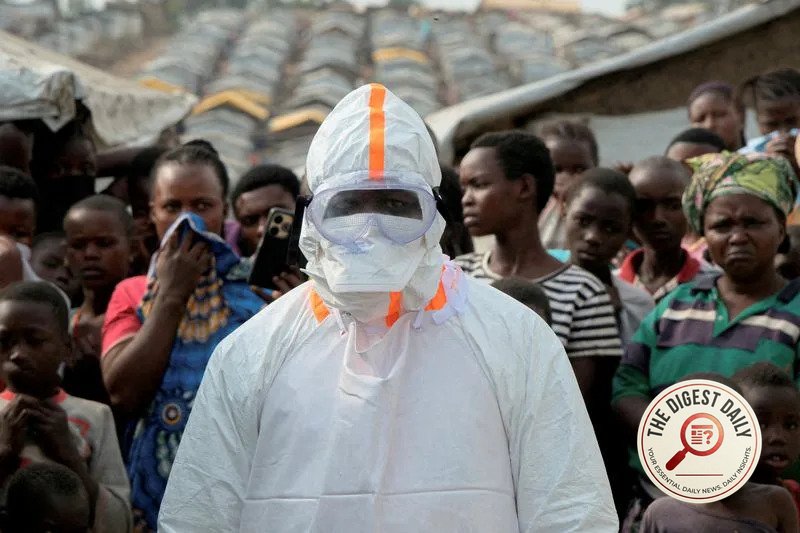
The virus is moving. Congo’s health ministry just flagged suspected Ebola cases in a previously untouched province, a grim milestone that comes right as the official death toll climbed to 600.
This outbreak started back on May 15. Since then, it has chewed through 1,759 people across Ituri, North Kivu, and South Kivu. That is the official tally from Wednesday night’s government report. But the real numbers are already outrunning the paperwork.
Two new suspected cases just popped up in Kisangani. It is the capital of Tshopo province. It is also one of the biggest cities in the country. These two are not even in the official count yet.
One patient apparently has ties to the Niania health zone in Ituri, where this nightmare first flared up. The other? No obvious geographic link. That is the scary part. It means the virus might be circulating silently in Kisangani itself.
Lab techs are currently running confirmatory tests on the samples. Once those come back positive, the official tally will jump again. Meanwhile, emergency teams are already on the ground in Kisangani. They are scrambling to trace contacts, set up surveillance, and try to lock down the area before the spark hits the tinder.
This was entirely predictable. Health officials were already hunting down potential contacts in Tshopo and Haut-Uele last week. The virus travels as fast as the people carrying it.
Wednesday’s daily update was brutal. Fifty-one new cases. Twenty new bodies in just 24 hours.
The World Health Organization admitted the obvious this week. This outbreak is not stable. It is expanding, fueled by a highly mobile population that is running out of places to hide.