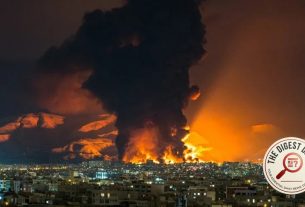

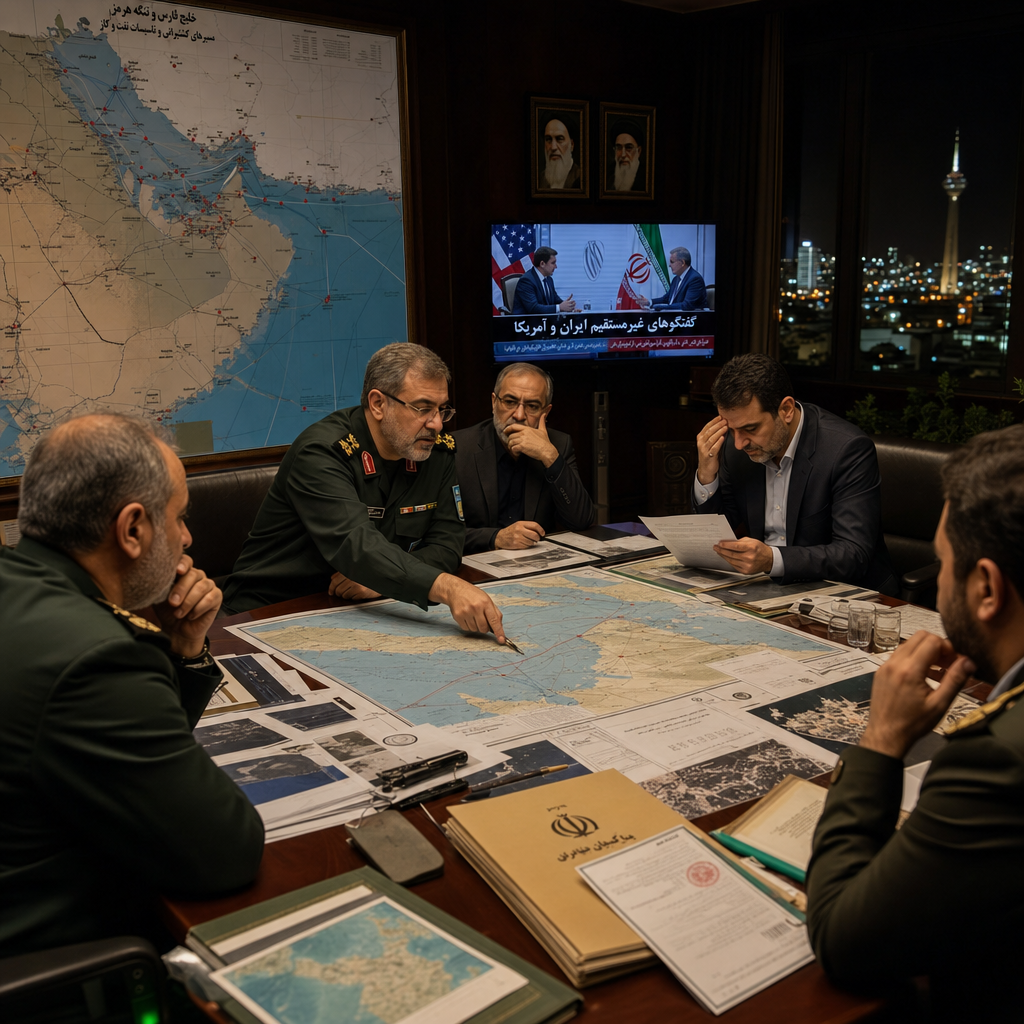
The Iranian regime is reportedly questioning the sincerity of a potential deal to extend its ceasefire with the U.S., fearing the favorable terms offered might be a strategic deception. While specifics are still being negotiated, the proposed agreement reportedly includes Iran reopening the Strait of Hormuz for free passage and the U.S. lifting its naval blockade on Iranian ports, along with some sanctions relief to permit Iranian oil sales, according to Axios. However, critical issues like Iran’s uranium enrichment, permanent sanction removal, and the unfreezing of an estimated $25 billion in Iranian assets abroad are slated for discussion within a 60-day negotiation window.
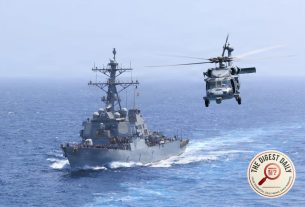
The U.S. intends to maintain its military presence in the region until a final agreement is reached. This approach has drawn criticism from figures like Eric Brewer, former National Security Council director for counterproliferation, who argued on X that waiving sanctions on Iranian oil now could diminish, rather than incentivize, Iran’s motivation for a nuclear deal. He also warned that linking sanctions to the Strait could compromise future leverage for their reimposition.
Reports of an extended ceasefire have alarmed some Republicans. Senator Lindsey Graham (R-S.C.) cautioned against a deal that would legitimize Tehran’s control over the strait, seeing it as a destabilizing shift in regional power dynamics detrimental to Israel. Others, including Senators Roger Wicker (R-Miss.) and Ted Cruz (R-Texas), voiced strong opposition, concerned that such a deal would undermine past military gains, empower the Iranian regime, and potentially facilitate nuclear proliferation and control over the Strait of Hormuz.
Despite significant damage to its military and economy from U.S.-Israeli actions, Tehran has maintained its capacity to control the Strait of Hormuz through various military means. Meanwhile, former President Trump has shown reluctance to resume hostilities and halted efforts to restore Hormuz traffic with naval escorts. With global oil markets facing imminent disruption due to the strait’s closure, Iran has largely held firm on its demands. Yet, the Iranian regime itself remains wary. Past negotiations in previous years concluded with U.S. airstrikes on Iran.
Vali Nasr, a former senior State Department adviser, commented on X that while the proposed deal appears beneficial for Iran, Tehran suspects it might be a ‘dress rehearsal for war.’ He suggested that the more generous the U.S. terms, the greater Iran’s suspicion that the U.S. is not genuinely pursuing peace but rather attempting to divert attention before another attack. Consequently, Tehran will be seeking concrete evidence of U.S. military de-escalation, with Supreme Leader Mojtaba Khamenei ultimately deciding whether to ‘gamble’ on trusting the U.S.
The Institute for the Study of War (ISW) reported that Iran believes it is negotiating from a position of power following its perceived ‘victory in the war’ and aims to secure sovereignty over the Strait of Hormuz. The current U.S. naval blockade is not fully effective, as ships not entering or exiting Iranian ports can still pass under conditions set by the Islamic Revolutionary Guard Corps. ISW noted that dragging out negotiations normalizes Iran’s de facto control, a fact Iran is likely leveraging. ISW suggested that if talks do not swiftly lead to an agreement to reopen the strait under internationally recognized transit schemes, force might regrettably become necessary.