
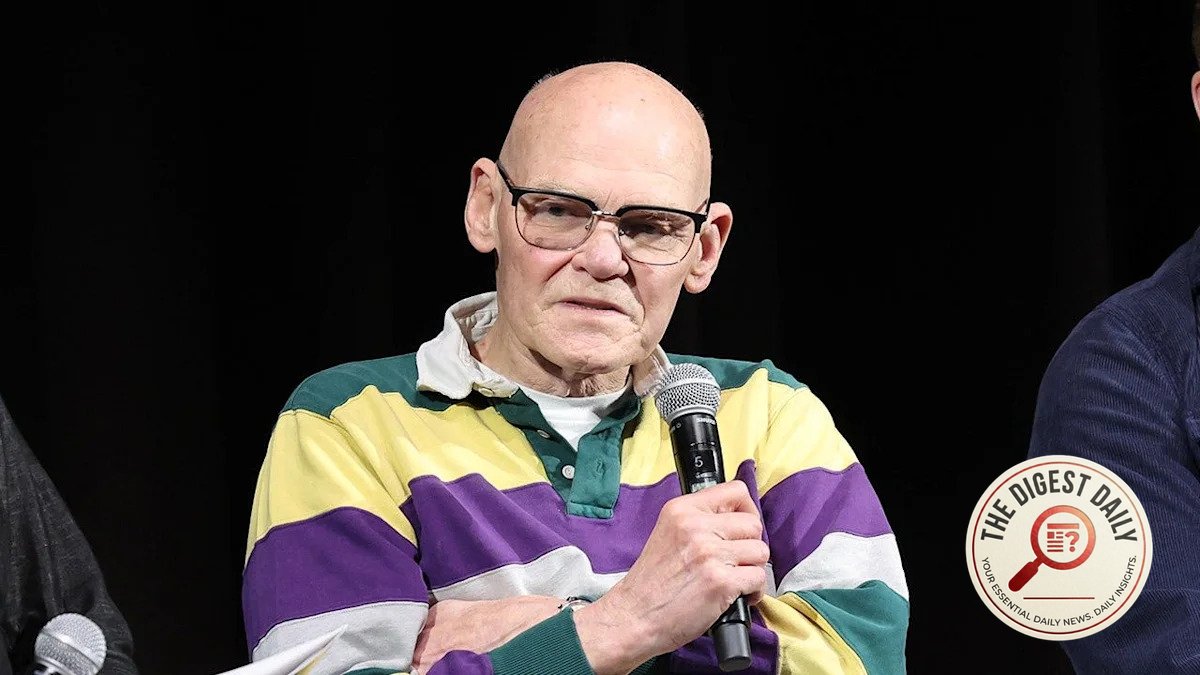
Lindsey Graham is dead. The 71-year-old South Carolina senator collapsed Saturday night from an aortic dissection, leaving Washington in a state of performative shock. But don’t expect James Carville to join the chorus of polite eulogies. The veteran Democratic strategist didn’t mince words on Wednesday. He flatly declared that Graham’s decades-long political run was defined by one thing: duplicity.
Carville isn’t wishing death on anyone. He made that clear. Still, he refuses to sugarcoat the past. He remembers Graham as the ultimate political chameleon. The man eagerly led the charge during the Bill Clinton impeachment trial back in the late nineties. He was aggressive. Ruthless, even. Carville acknowledged Graham could be charming in person, but the charm was just a mask for a career built on shifting sands.
Others saw the shift too. Co-host Al Hunt recalled a younger, funnier Graham who entered the House in 1994. Back then, he seemed different from the usual crop of Southern Republicans. He was witty enough to land a spot on the John F. Kennedy Profile in Courage Committee. He hitched his wagon to John McCain. They were tight. But when McCain faded, Graham needed a new star to steer by. He chose Donald Trump.
It was a survival tactic. Graham always wanted to be in the room where it happened. Hunt pointed out that while Graham remained a constructive voice on Ukraine, his hawkish instincts on Iran and Israel were disastrous. In the end, the Trump alliance cost him. Hunt summed it up cleanly: get too close to Trump, and you get dirty.
Graham’s sudden exit cut short a long run. He climbed from the House to the Senate in 2002, winning reelection four times. He was gearing up for another campaign in 2026. Now, the seat is empty, and the post-mortems are bloody. To Carville, the legacy is already written in ink. It is a story of a man who traded his principles for proximity to power.