

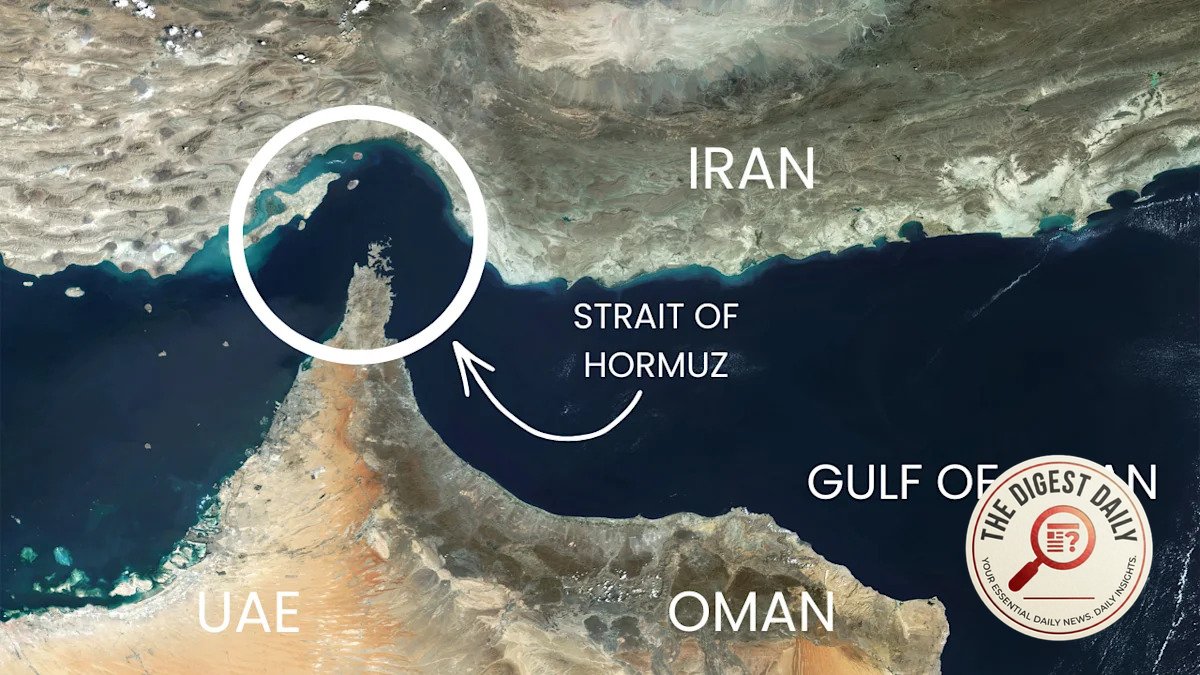
Iran just shot up another batch of commercial tankers in the Strait of Hormuz. Predictably, oil prices spiked. It was a crude reminder that Tehran can still throw a wrench into global energy markets whenever it feels cornered. But look past the immediate panic, and a bigger question emerges for the Trump administration. Is Iran’s favorite chokehold losing its grip?
Times change. Pipelines get built. The global energy map is shifting, and Iran’s ability to hold the world economy hostage via a narrow strip of water is slowly bleeding out. They can still cause a temporary headache, sure. But a permanent crisis? That is becoming a much harder sell.
Vice President JD Vance recently tied global oil reserves directly to how Washington handles Tehran. He noted the administration’s strategy was to use a previous memorandum of understanding to refill global oil stocks and see where the cards fell. That strategy met reality when Iran resumed its maritime tantrums. President Donald Trump quickly declared the ceasefire dead, threatening a naval blockade if the shipping attacks persist.
Yet, the panic might be overstated. The U.S. Energy Information Administration expects global crude production to bounce back to near pre-conflict levels soon. OPEC+ is pumping more. Gulf producers are restoring output. Most importantly, exporters are finally using the bypass routes they spent billions building.
Saudi Arabia now routes massive amounts of crude through its East-West Pipeline to the Red Sea. The UAE expanded its terminals in Fujairah, letting millions of barrels skip the Persian Gulf entirely. Shipping companies adapted too. Vessels now hug the southern corridor near Oman, putting safe distance between their hulls and Iranian patrol boats. As retired Navy Rear Adm. Mark Montgomery put it, this southern route is something Tehran simply cannot toll or control.
Iran never wanted a total shutdown anyway. That would be suicide. Instead, the Islamic Revolutionary Guard Corps wants to make the strait commercially unworkable. Former Fifth Fleet Commander Vice Adm. Kevin Donegan pointed out that these attacks are highly strategic. They are designed to spike insurance rates and scare off shipping companies, raising the cost of doing business until Washington blenches.
But Iran is trapped by its own greed. Even as they harass foreign tankers, their own ships are still loading up at Kharg Island. They need the oil money to survive. They cannot afford to break the system entirely.
So yes, Tehran can still cause a market tremor. But with alternative routes online and U.S. military pressure mounting, those price spikes are getting shorter and weaker. Iran’s biggest leverage point is slipping away, and they know it.