

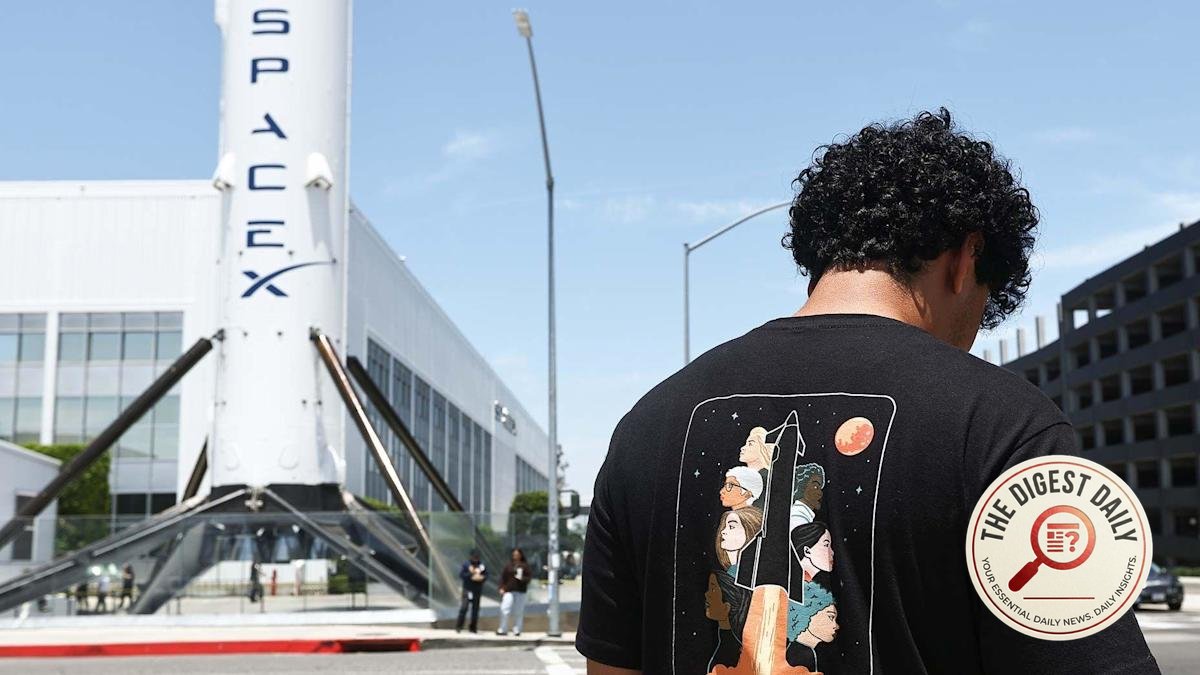
Elon Musk is selling the stars. Or at least, he’s selling the paperwork. Next week, Texas-based SpaceX is launching a massive Initial Public Offering (IPO) on the Nasdaq. It is set to be the largest public share sale in history, instantly catapulting the rocket company into the top ten largest listed firms in the United States. They want your money. Specifically, they want at least $75 billion of it.
On June 12, the floodgates open. More than 550 million shares will hit the market, priced at a cool $135 (£100) apiece. What do you actually get for that cash? It’s a wild grab bag. You’re buying into rocket launches and Starlink satellites, sure, but also the chaotic social media playground X and Grok, Musk’s controversial AI plaything. It is a sprawling, weird empire. While SpaceX is technically separate from Tesla right now, rumors of a merger next year are already swirling.
Musk has big plans. Huge. He wants to mine asteroids, build AI data centers in the freezing vacuum of space, and colonize Mars. The official sales prospectus reads like a cheap paperback sci-fi novel. It warns that humanity must avoid “the same fate as dinosaurs” and preserve the “light of consciousness” by spreading out across the cosmos. It sounds ridiculous. To many Wall Street skeptics, it is. But Musk’s loyal disciples point to his track record of defying the odds. If this gamble pays off, it will likely crown him the world’s first trillionaire.
Can you play? Yes. While massive institutional funds will gobble up the lion’s share, retail investors from New York to London can grab a piece through standard brokerage platforms. But watch out. The market is a fickle beast. Once trading starts, that $135 price tag could skyrocket or crater instantly. Even if you steer clear of this circus, you might still be in the tent. If you own an index fund or have a standard pension, your money manager might already be buying in on your behalf. You’re on the ride whether you like it or not.